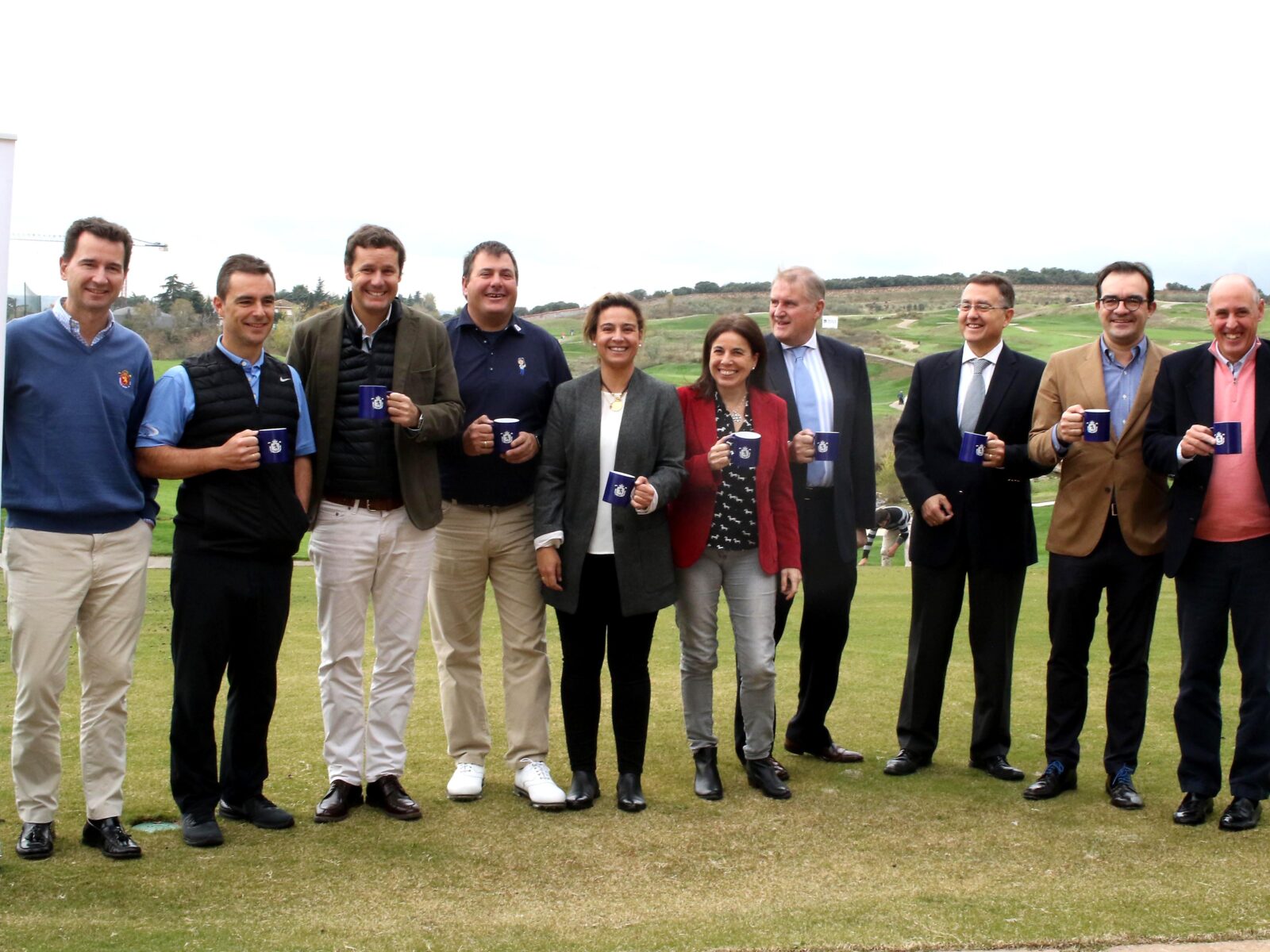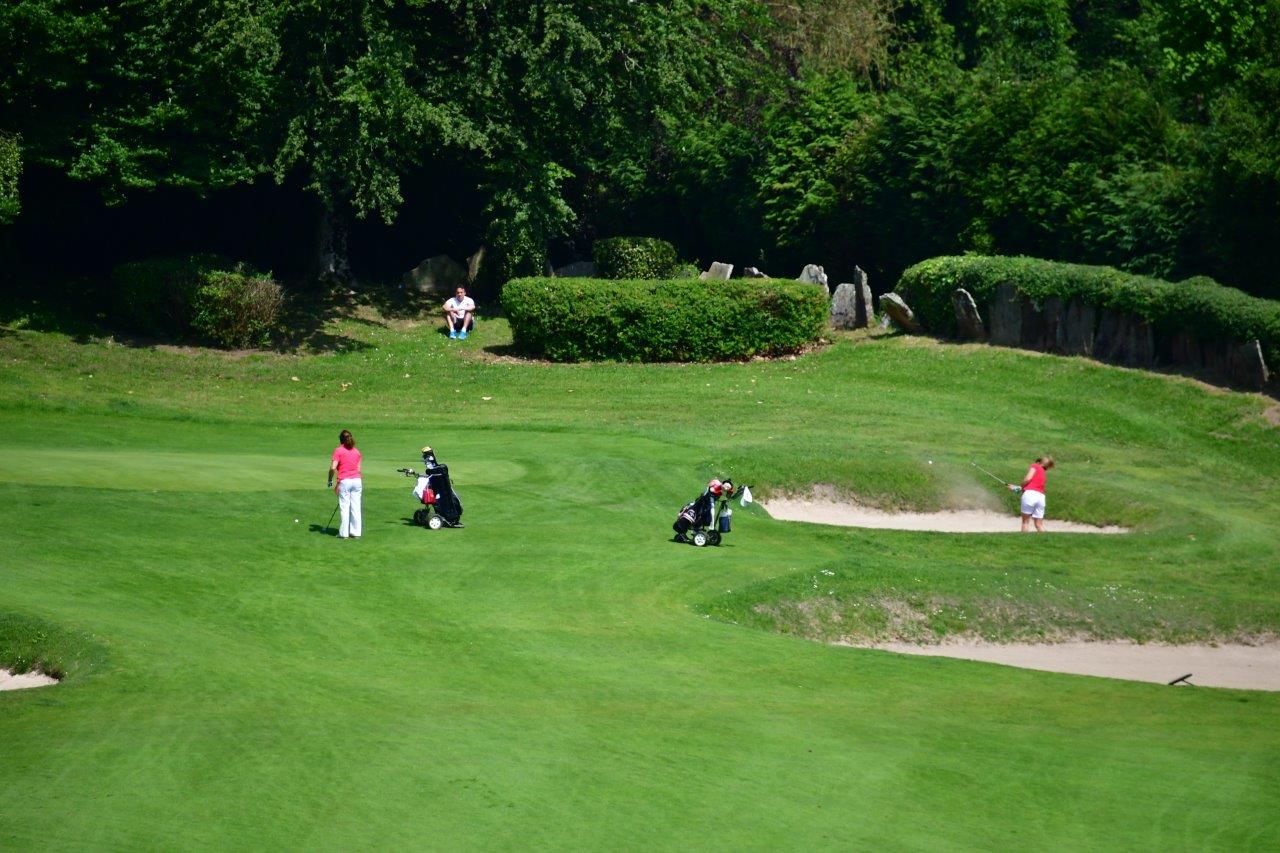
. “Those of us who are less visible are the ones who take the most care of our eyes, the ones who protect ourselves the most with glasses and hats to avoid contact with branches, objects, etc., that can scratch the cornea,” summarized Raúl Fernández, a blind golfer, with great accuracy.
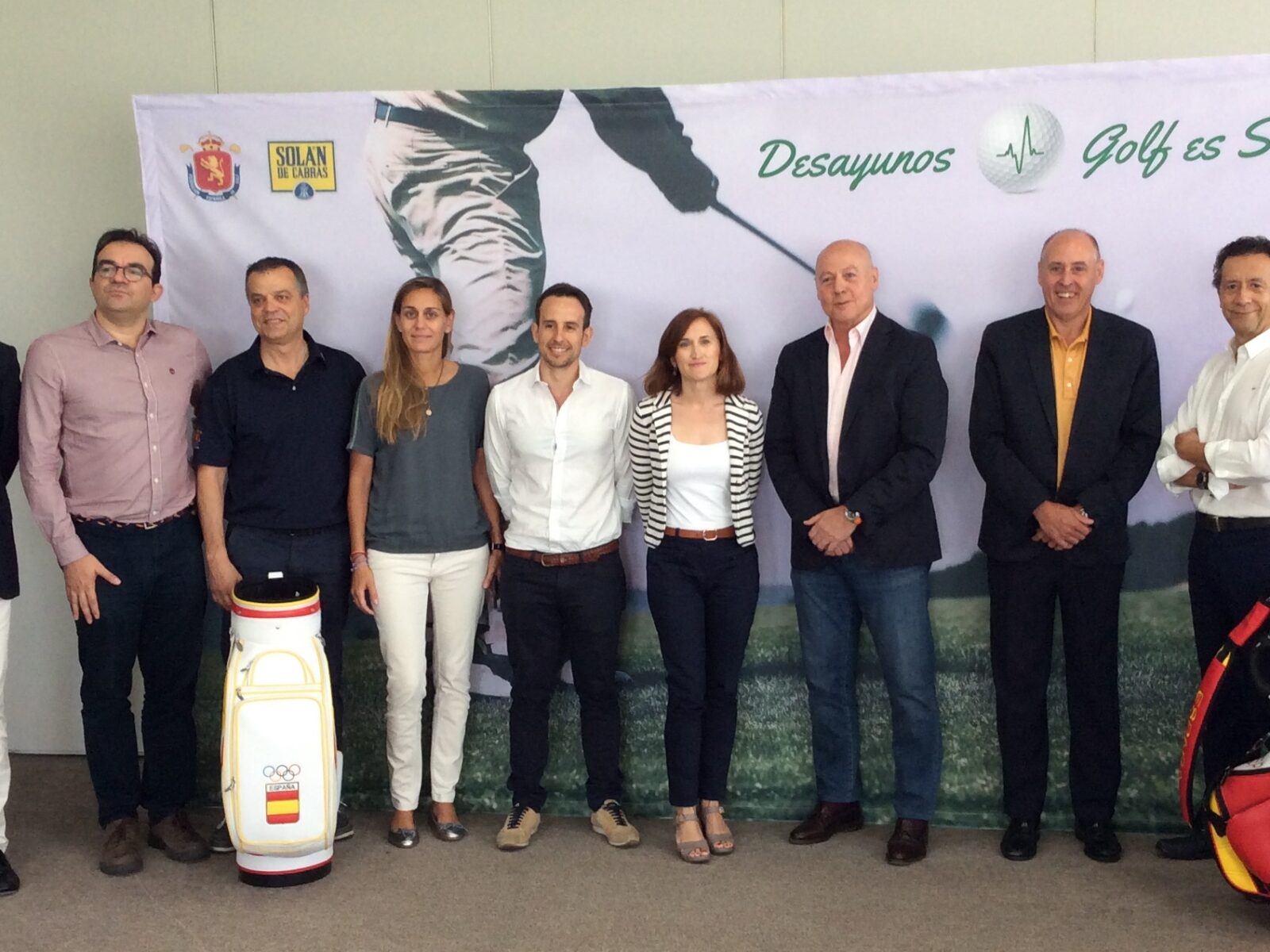
The importance of good vision for playing golf better was the central idea of the latest Golf is Health Breakfasts event promoted by the RFEG, a round table discussion with prestigious medical specialists who debated the beneficial health effects of playing golf.
On this occasion, the speakers were prestigious ophthalmologists who emphasized the need to increase preventative habits to avoid major eye problems and, in cases where more complex treatments are necessary, the growing range of possibilities to improve a sense that is very present in the sport of golf, where the range of vision goes from short distances with putting to long distances to follow the flight of the ball with the driver shot.
As usual, Dr. José Antonio García Donaire (see outline of his curriculum and that of the other participants below), a prestigious nephrologist and coordinator of these conferences, referred to the study prepared by Dr. Andrew Murray, from the University of Edinburgh, which concludes among many other things that playing golf can extend people's lives by almost five years.
Dr. José Antonio García Donaire noted that “golf is a social sport that burns calories and is good for mental health, besides appealing to players of a very wide age range. Given that the population pyramid is trending towards longevity, it is essential to focus on healthy aging, and golf, in this sense, is a fulfilling activity,” before explaining that it is played outdoors and that, therefore, the eyes are exposed and there are certain risks, making it necessary to see well both near and far, which led to a debate among the ophthalmologists.
Use of goggles as an essential protective element
Dr. María Teresa Valbuena strongly recommended, “As in any sport involving a ball, whenever possible, the use of glasses as a protective measure, regardless of whether they serve to correct visual impairments. Many more patients than one might think come to the clinic after receiving blows whose effects could have been mitigated or eliminated simply by wearing glasses.”.
This widespread neglect is part of our culture, explained Dr. Nabil Ragai: “If there are no symptoms, we don't go to the ophthalmologist. In Marbella, a land of golf courses, where I regularly hold consultations, patients only come when they complain that they can't see where the ball is going.”.
“It’s true,” continues Dr. Nabil Ragai, “that impacts are rare, but when they do occur, the consequences are devastating. However, there are many things that can be corrected or avoided regarding visual acuity, field of vision, peripheral vision, UV burns, allergies… Good polarized sunglasses are the first solution for a sport with many hours of sun exposure.”.
Dr. Mónica Lovera added a social dimension to the debate, stating that "sport in general, and golf in particular, is an extraordinary preventative measure to mitigate the growing cases of myopia among young people, even children, who spend many hours in front of consoles and computers. Outdoor activities force us to look at things both near and far, without our eyes becoming accustomed to the same situation.".
For her part, Dr. Pilar Plou shared her experience with high-level athletes and sports federations, “for whom we conduct comprehensive examinations that reveal a curious dichotomy. On the one hand, they consider vision to be very important to them, but at the same time, they admit that they do not have regular eye exams, and that many years go by without them seeing an ophthalmologist, with the risks this entails in terms of prevention and even treatment of much more severe illnesses.”.
Along those lines, Dr. Daniel Velasco reviewed the multiple options for playing golf correctly: “It is essential to wear glasses, which should be a protective element apart from the fact that, when properly prescribed, they help control myopia, distances, generate greater contrast, have correct 3D vision… all this without forgetting that exposing the eyes to UV rays for the 5 hours that a golf game lasts is a dangerous situation.”.
Misreading the slopes of the greens, misjudging the distance when putting, and failing to track the ball's flight are all issues very closely related to vision. "Many golfers would improve their scores if they improved their vision," concluded Dr. Daniel Velasco, who recommended well-fitted, high-contrast polarized sunglasses, or a wide range of lenses "that shouldn't be progressive for golf, as they don't allow for accurate distance judgment.".
In his presentation, Dr. Dimitry Mirsayafov emphasized that the appropriateness of contact lens use depends on the sport, such as extreme sports. “Losing a contact lens can have a very negative impact, as in the case of skiers or cyclists, who travel at high speeds. In any case, eye surgery has improved significantly, and there are new techniques—therapeutic rather than surgical—to address many problems.”.
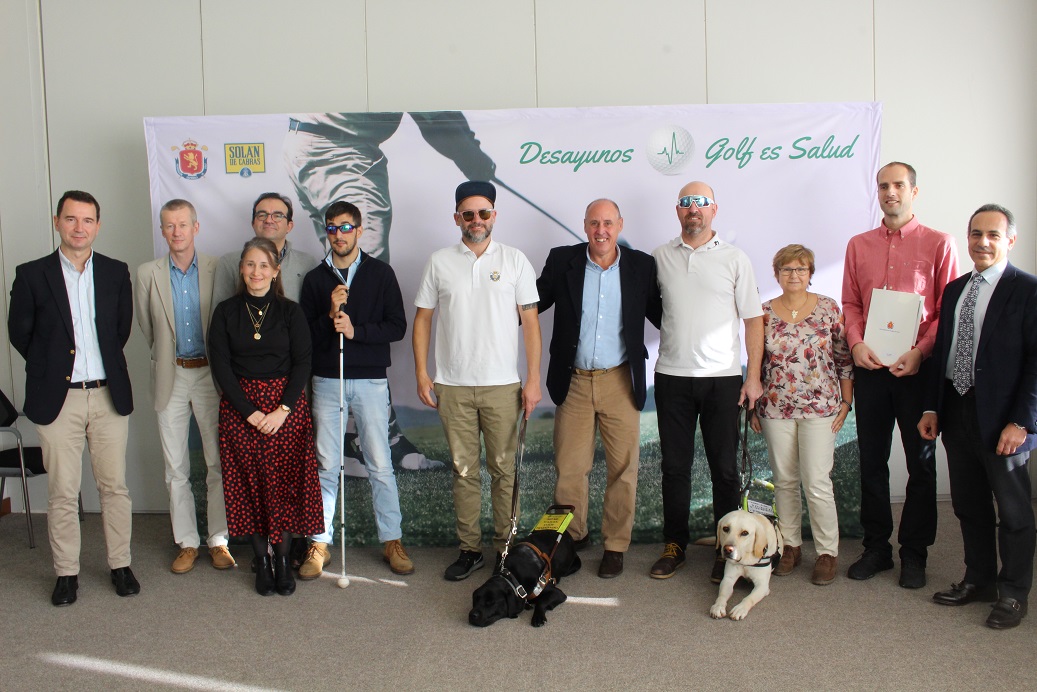
The experience of playing golf in extreme situations related to vision was provided by Raúl Fernández, Marc Ollé and Alex de Miguel, three blind golfers of recognized national and international sporting prestige, whose loss of vision has occurred from almost birth or in a progressive and inexorable way.
“Those of us who see the least are the ones who take the most care of our eyes, the ones who protect ourselves the most with glasses and hats to avoid rubbing against branches, objects, etc., that can scratch the cornea,” Raúl Fernández aptly summarized before Marc Ollé highlighted the great social benefits that golf brings to people with severe vision impairments.
“In my case, I've been gradually losing my sight, and golf came into my life to help me feel useful again. It's a highly recommended activity, and you don't have to adapt to it, since neither the rules nor the courses change. We just need someone to act as our guide, but psychologically, it's the best thing ever,” says Marc Ollé, whose experience is different from that of Alex de Miguel, who lost his sight just four years ago.
“In my case, I learned to play golf by watching, so I already have internalized concepts. I have glaucoma from birth, but it wasn't detected until I was 8 or 9 years old, by chance, when the nerve was already destroyed,” he recounts before asserting, like his companions, that golf is an activity that completely fulfills him.
Ophthalmology, the eighth specialty participating in the Golf is Health Breakfasts
Ophthalmology, the branch of medicine that studies eye diseases and their treatment, including the eyeball, its muscles, the lacrimal system, and the eyelids, is the eighth specialty participating in these Golf is Health Breakfasts. Previously, renowned physicians specializing in cardiology, traumatology, dermatology, pediatrics, neurology, and gynecology have shared their knowledge and experience, and in every case, the conclusion was the same: due to its health benefits, golf is a worthwhile prescription.
PARTICIPANTS
Dr. José Antonio García Donaire, nephrologist. European specialist in Hypertension and President of the Spanish Association of Arterial Hypertension.
Dr. Mónica Lovera Rivas, Ophthalmologist at Doctor Lens Madrid.
Dr. Nabil Ragai Kamel, Head of Ophthalmology Service at Quirónsalud Marbella Hospital, Málaga and Head of Ophthalmology Service, Quirónsalud San José Hospital, Madrid, Spain.
Dr. Pilar Plou, Neuro Optometrist and specialist in sports vision at the International Optometry Center.
Dr. Daniel Velasco, specialist in Sports Vision at the International Optometry Center.
Dr. María Teresa Valbuena Hernández, head of the ophthalmology service at the Cemtro Clinic.
Dr. Dimitry Mirsayafov, Director of Doctor Lens Madrid and Member of the Board of Directors of the European Academy of Orthokeratology and Myopia Control.
Raúl Fernández, Marc Ollé and Alex de Miguel, adapted golf players (blind).
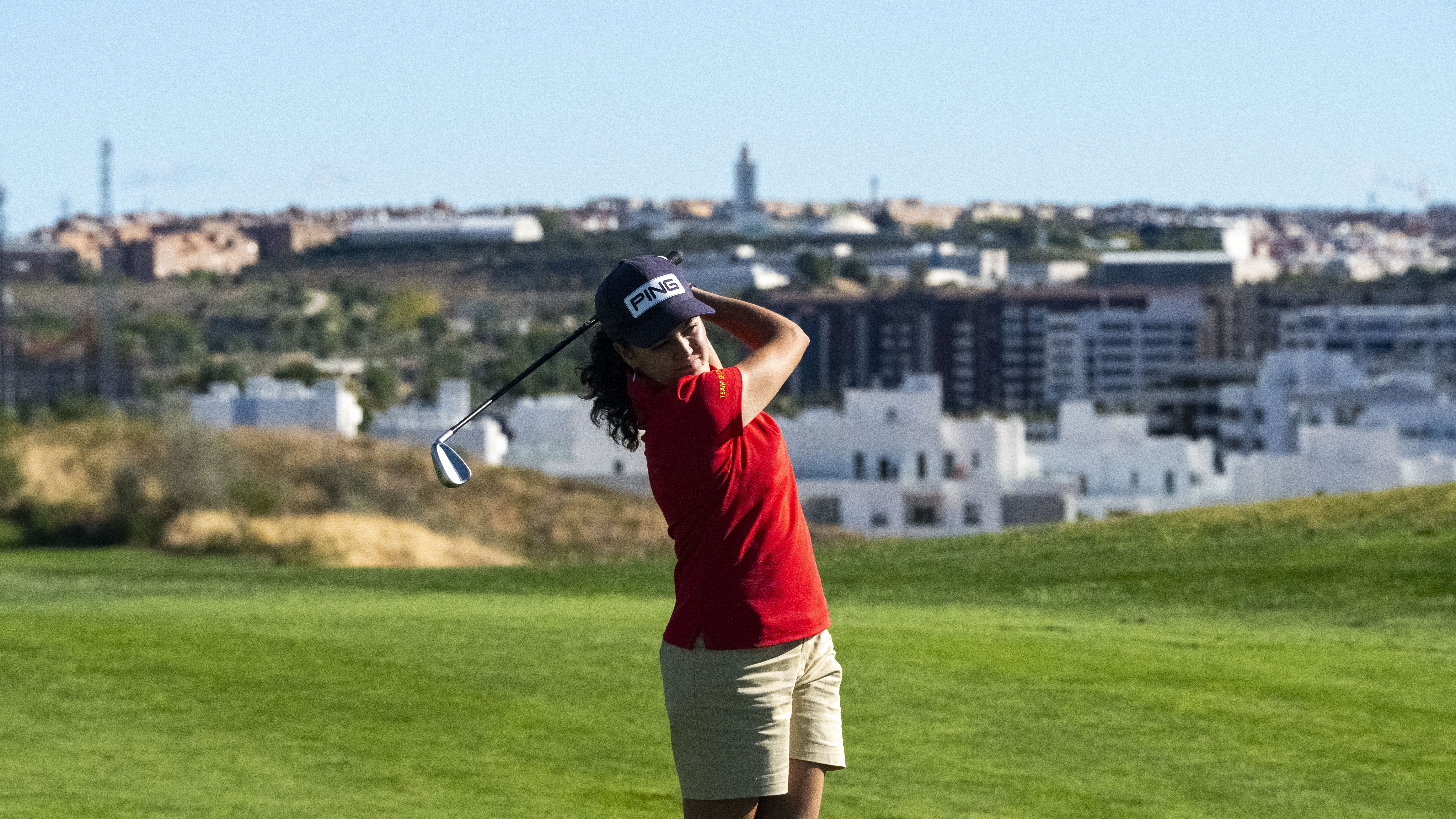

-1600x1200.jpg)
-1600x1200.jpg)