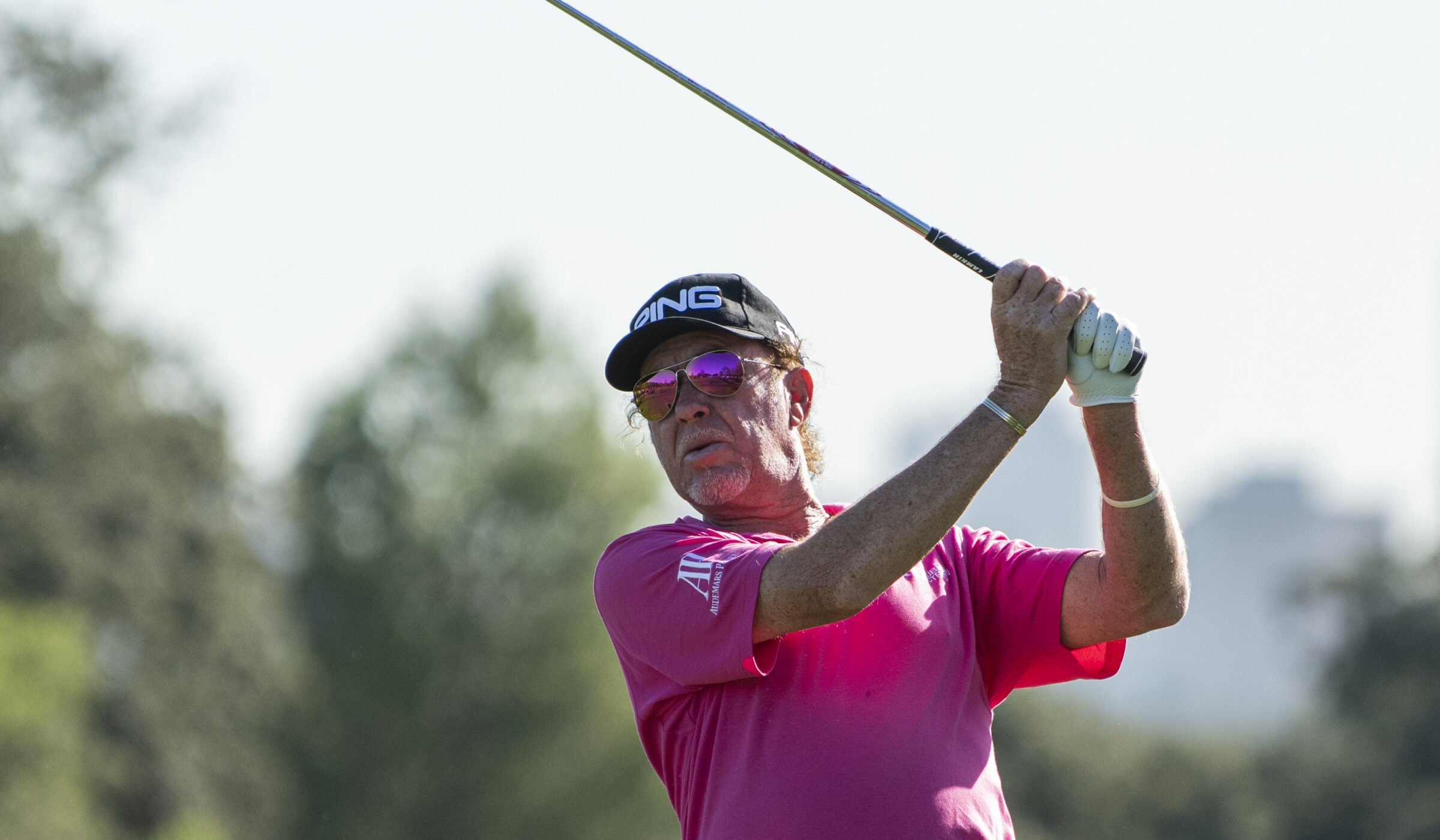
The RFEG sports psychologist Óscar del Río is primarily addressing the youngest members of the Spanish golf academy to highlight the key factors that govern sporting longevity, which has one of its greatest exponents in the tireless and successful Miguel Ángel Jiménez.
The way you live, feel, and interpret competition are the most important factors from a psychological point of view for achieving a long sporting career, bearing in mind that the guidelines expressed below are also very useful for older athletes.
Golf, a sport for young and old
All of you are very young, but one day, a long time from now, you will grow old, hopefully enjoying golf at all times, which is one of the characteristics of this sport, which allows you to enjoy it from when you are a few years old until you are a true veteran.
Let's look at what happens in the professional field by taking as an example a well-known golfer who is a magnificent reference for everyone thanks to the overflowing passion with which he executes each of his shots throughout his long and prolific career.
The great role models of elite athletes
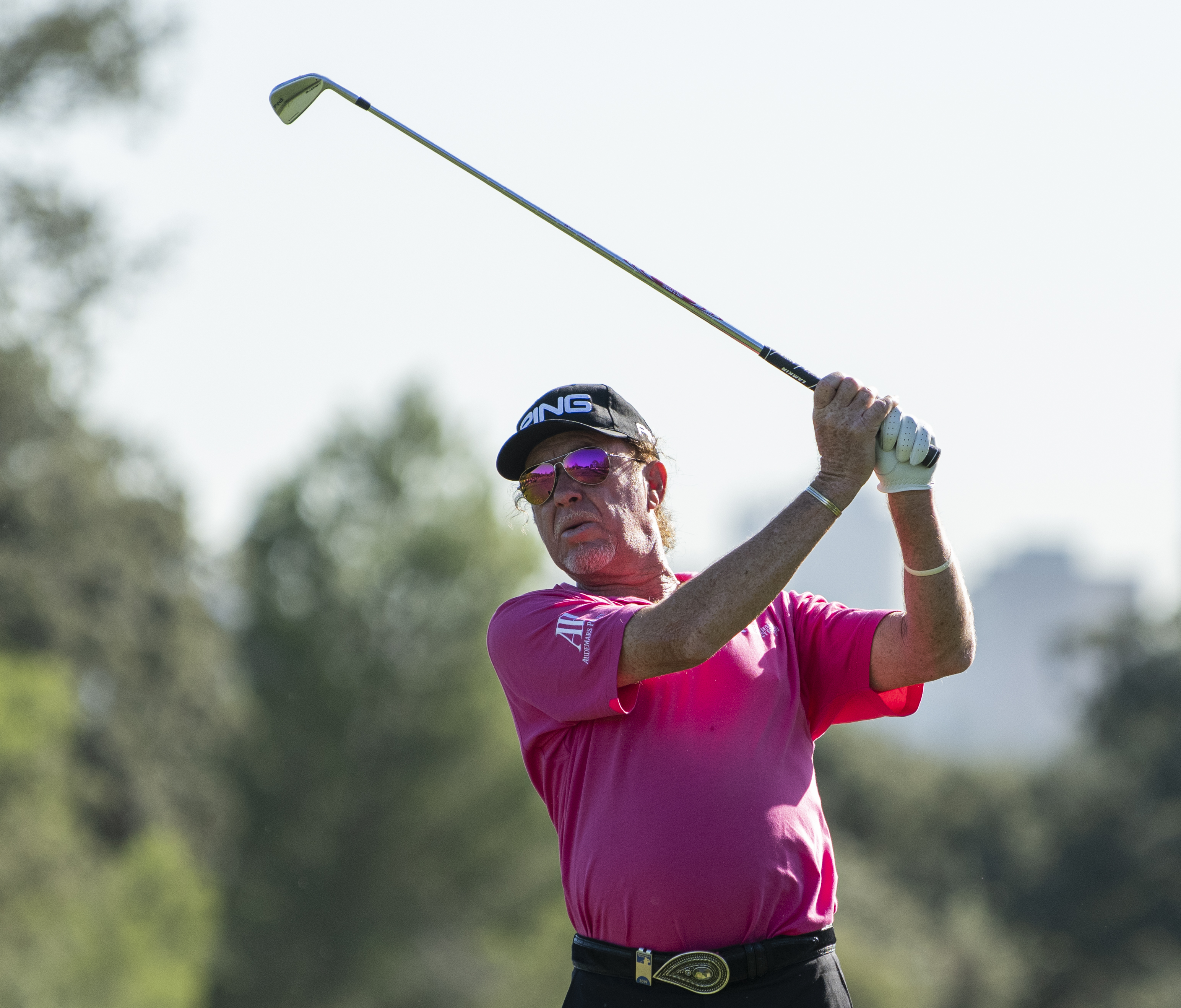
This is Miguel Ángel Jiménez, with over seven hundred tournaments on the European Tour and more than a thousand tournaments played overall. These are just some of the figures from the brilliant career of the celebrated golfer from Málaga.
Let's also look at Rafa Nadal, Roger Federer, Alejandro Valverde, and Pau Gasol, who are managing to extend their sporting careers at the world elite level. What are the key factors that allow an athlete to remain competitive and competitive for so many years? How do psychological factors influence athletic longevity?
It's clear to everyone that physical condition is the primary factor influencing any athlete's career. Training hard to be in peak physical condition while simultaneously trying to prevent injuries as much as possible, taking care of themselves, and maintaining healthy lifestyle habits are some of the characteristics these athletes have in common.
And, on the psychological side, we can also draw a very distinct profile of those athletes who remain competing at the elite level for many years: the first and most important thing is that they are passionate about their sport, and that is why they enjoy what they do every day, in training and in competitions, and they are able to put victories and defeats into perspective, properly digesting the successes and failures that occur throughout their sporting careers.
These characteristics result in less mental and emotional strain, less stress and competitive anxiety, and more enjoyment and fun in their daily lives. In contrast to this profile, we find the Korean model of women's golf, which consists of intense, almost obsessive, training from a very young age, subjected to a very high level of pressure. Those players who can withstand this training load and psychological pressure reach the world elite around the age of 20, but by 25 or 26 they are no longer competitive, they are "burned out," and have no choice but to retire.
A way to live and feel the competition
We all have the image of Miguel Ángel Jiménez with his cigar and his glass of wine, which are nothing other than symbols of the satisfaction, enjoyment and passion with which Jiménez lives his golf and his life.
The way of living, feeling and interpreting competition, training and, in general, the lifestyle of world elite athletes (travel, schedules, etc.) are the key factors from a psychological point of view to achieve a long sports career, since they will cause a greater or lesser emotional exhaustion and level of stress in the athlete.
Those who live their daily lives with stress, anxiety and uncertainty about the next competition, or for whom each training session or competition is like a life-or-death battle, a to be or not to be, have little chance of remaining competitive for many years in the elite.
Being able to enjoy oneself while training hard, to have fun during moments of pressure, to put defeats into perspective, and to let the satisfaction of having given one's all outweigh the sadness or anger of having lost, are factors that lengthen the sporting life of any athlete, in addition to facilitating performance, since the player will train more and better because he likes to train and enjoys doing that activity, and not just because it is his job and his obligation.
For all these reasons, just as athletes take care of themselves physically, more and more are also taking care of themselves and training mentally, not only to cope with the pressure of competition or enhance their ability to concentrate, but also to be able to stay competing and enjoying their sport and their life for as many years as possible.
By Óscar del Río, sports psychologist



 (13)-1600x1200.jpg)