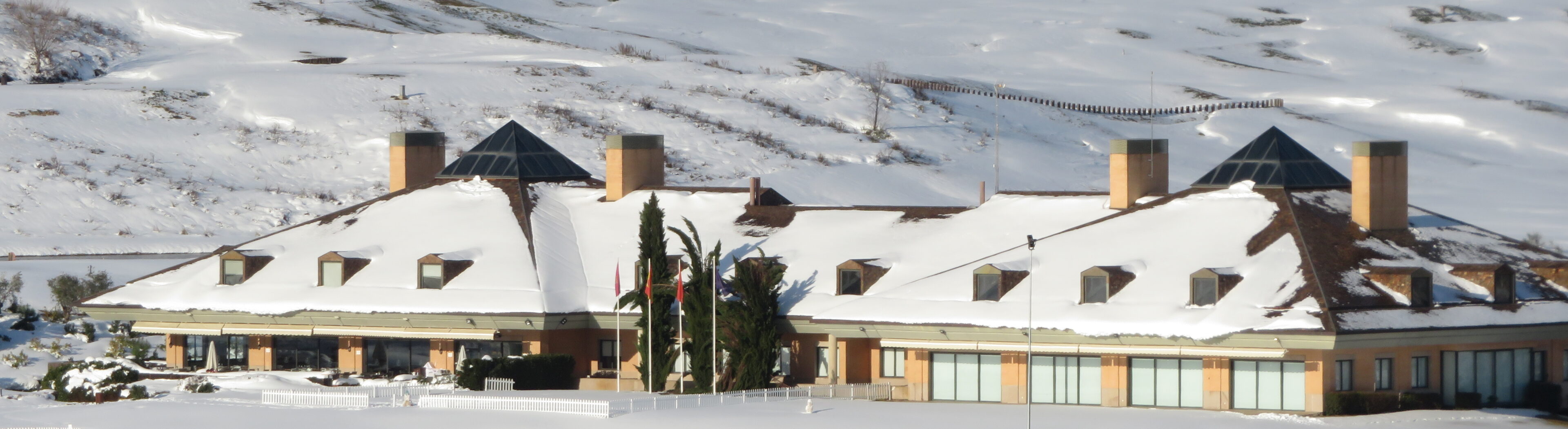
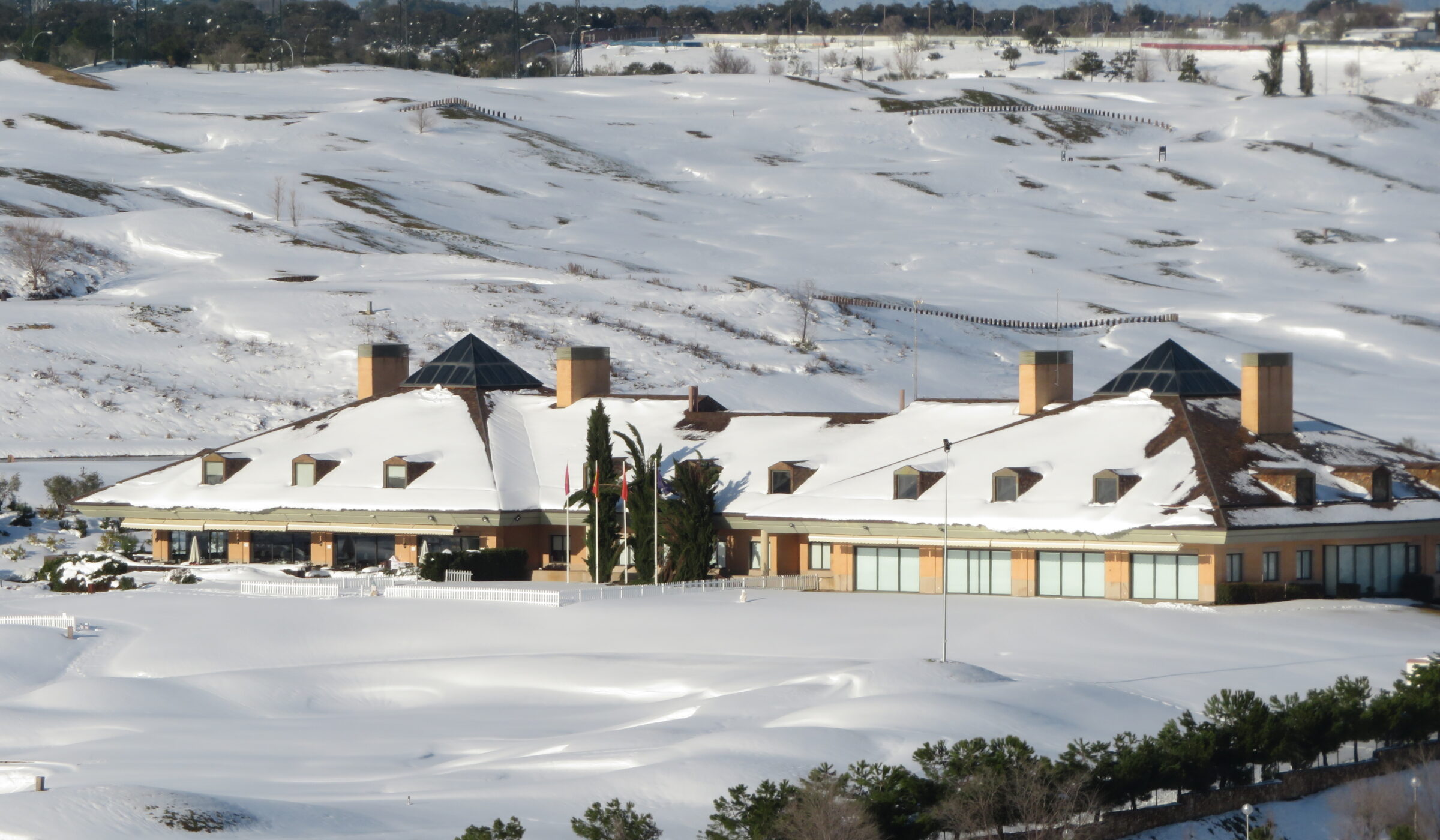
Storm Filomena has brought snowfalls that, as is the case in the Community of Madrid, have not been seen since the 1970s. And, as expected, golf courses have also been affected; in fact, all of them have had to close because they were unplayable.
At this point, why does snow affect golf courses so much? What techniques and tools are needed to restore them? Currently, ice accumulation is one of the biggest problems for turf health; in fact, the type of ice and how long it remains on the surface will determine the extent of the damage.
We must take into account the four types of winter injuries: desiccation, direct death from low temperature, ice encapsulation, and crown hydration.
1. Desiccation. This occurs when the lawn is unprotected by the snowpack and exposed to dry, cold winds for extended periods during winter. Under these conditions, the exposed lawn can lose significant moisture from its tissues, leading to plant death.
2. Death from low temperatures. The damage is caused by extremely cold temperatures.
3. Crown hydration. This effect occurs during freezing and thawing, that is, when temperatures warm up during the day, the snow and ice melt, and then refreeze at night.
4. Ice encapsulation. Turf damage occurs when a thick layer of ice on the turf causes a reduction in gas exchange between the ice-encapsulated turf and the atmosphere.
Techniques to minimize risks and damage
Even knowing that weather conditions are uncontrollable, there are techniques and tips to minimize the risks and damage caused by snowfall, low temperatures, or frost. Sometimes, leaving the snow cover acts as a good natural insulator, preventing the ground from reaching temperatures that could be fatal to the lawn.
Another aspect to consider is that the depth of the snow cover and the constant soil temperature can be favorable factors for fungal diseases. Consequently, most of the winter damage observed on golf courses has been caused by fungal diseases.
In conclusion, perhaps the most important message is that prevention and maintaining a healthy lawn throughout the summer and fall give it the best chance of surviving the winter. More than 50 years ago, Dr. Beard recommended establishing cold-tolerant lawns and addressing issues such as shade, low mowing height, mulch, and drainage to limit winter damage. Those recommendations remain valid today.
Download the full document below, in the Related Links section.