

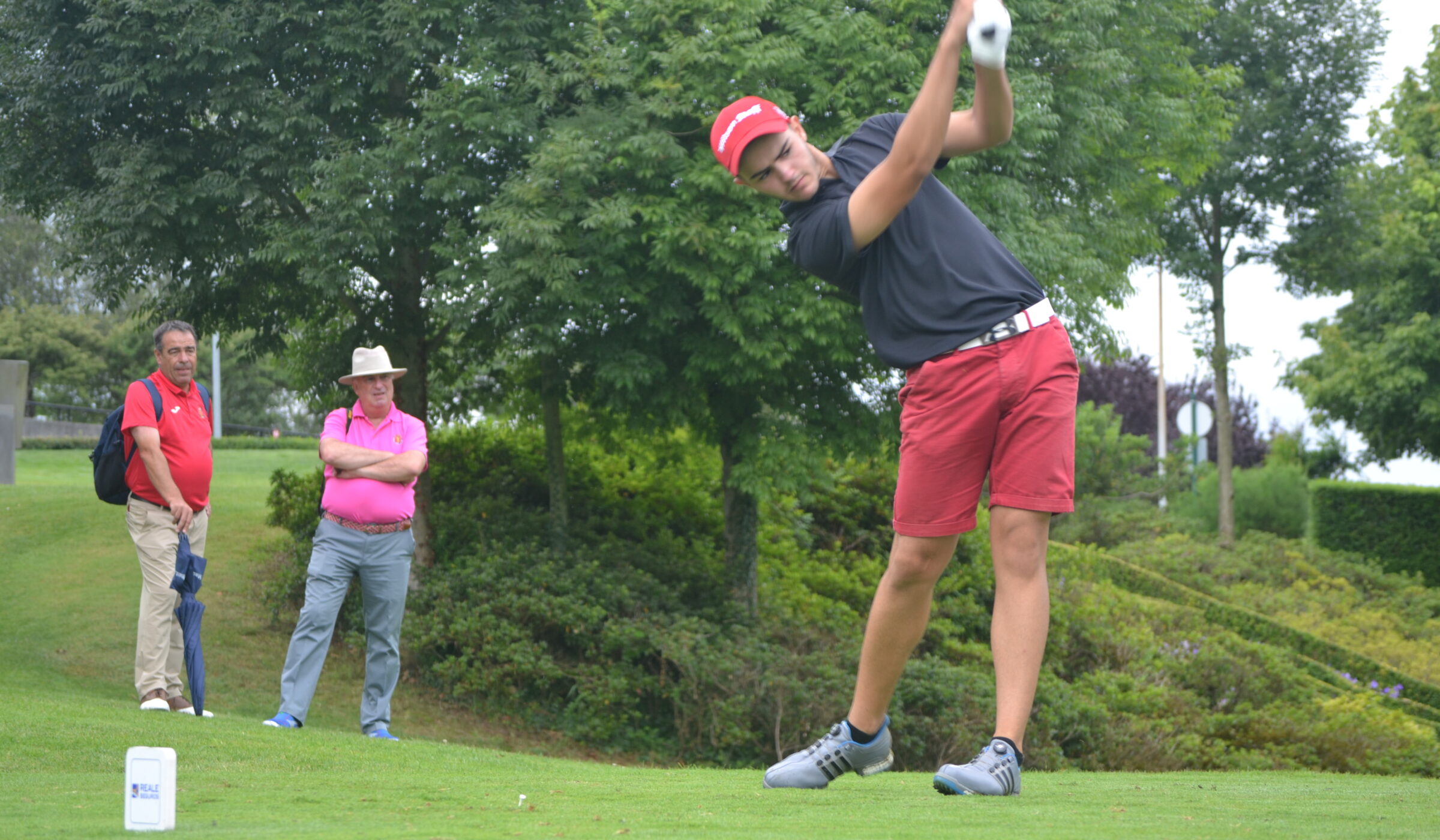
Many of you have already been lucky enough to resume your games after two months of inactivity. Some of you may have played worse than usual, others perhaps played the same or even better, but surely all of you have enjoyed this first round regardless of the result.
The reason? The absence of expectations. Let's see how having or not having expectations influences our attitude and our game; that's the question.
Attitude without expectations
Sometimes we hear professional players say that one of the reasons they've played well is because they went out to play without expectations. The psychological explanation can be summarized by saying that when we don't expect anything, we become more tolerant of mistakes, we accept things that happen to us during the round better, and, in general, we are able to put the different situations we encounter into perspective.
This "no expectations" attitude keeps the emotional intensity during the round low; there's no frustration, no complaints or recriminations, and it's easier, or less complicated, to focus solely on the shot in front of us. We don't dwell on the past, nor do we anticipate the future. It's what we call playing "shot by shot" and being in the present.
In contrast, when we are playing golf with an "expectations" attitude, it is very easy for our mind to become preoccupied with evaluating after each shot or after each hole whether our initial expectations are being met, and we dedicate ourselves more to judging than to playing.
There's only a "z" between the two verbs, but the difference is enormous, as we become judges of our golf instead of golfers. The good thing is that we can choose what attitude we want to have and what we want to dedicate ourselves to during the round: playing or judging.
No expectations?
Is it possible to play a round of competition without expectations? The reality is no. The day before playing a tournament, we always have some kind of expectations that we've generated based on our assessments of our game, recent training sessions, or tournaments.
To these assessments we must add the player's particular thoughts and beliefs, such as: the type of field where we are going to play, the weather forecast or other types of thoughts and beliefs that are not so rational.
The sum of all these elements means that, whether we like it or not, we have some kind of expectations regarding the competition. These can be positive, negative, or of the "anything can happen" variety.
When we say we "have no expectations," what we really mean is that "anything can happen"—we could play well, badly, or just okay. It's precisely this "anything can happen" attitude that makes it easier to accept mistakes and put situations into perspective, as we mentioned at the beginning.
Is it good or bad to have expectations?
It's fantastic to have high expectations before starting a round, to feel that we can play really well and win the tournament. These expectations will be high because we feel like we're in good form, we've trained well, we know the course, or for any other reason that makes us feel we can have a great round. And that's wonderful.
Professional players train with discipline, effort, and dedication precisely to have high and positive expectations and feel that they can play very well and be fighting for the top positions.
Conversely, when we have low or negative expectations, it is very easy for the player to develop a negative predisposition and go out there afraid of doing badly, thus confirming their negative expectations.
Leave your expectations in the locker room.
Once we've seen that having expectations is normal and that it's great to have high expectations, the next step is to learn how to manage them, because if they are not managed well they can work against, and very much against, the player's interests.
With the players I train, we make sure of two things: firstly, that high expectations don't turn into obligations, demands, and a synonym for failure if they aren't met, because when a player feels or fears that they won't live up to their own expectations or those of their environment, it's very easy for them to add extra pressure to the one that the competition already has.
And the second aspect we need to ensure is that he is focused on performing his competition routines, focused at every moment on what he has to do to hit good shots and play golf instead of judging his golf.
That's why, on the day of the competition, I always remind the players, "Leave your expectations in the locker room and just play." With the safety protocols, I'll have to update that phrase, and we'll leave our expectations in the parking lot.
On his first round after lockdown, his expectations were probably along the lines of "anything can happen," and he focused on playing and enjoying himself. Now, the key is to avoid falling back into the bad psychological habits he had before the lockdown and to train himself to have the highest possible expectations, learning to leave them off the course and dedicate himself to playing golf from hole 1 to 18.
By Óscar del Río
RFEG Sports Psychologist
Related articles below, in the Related News section.