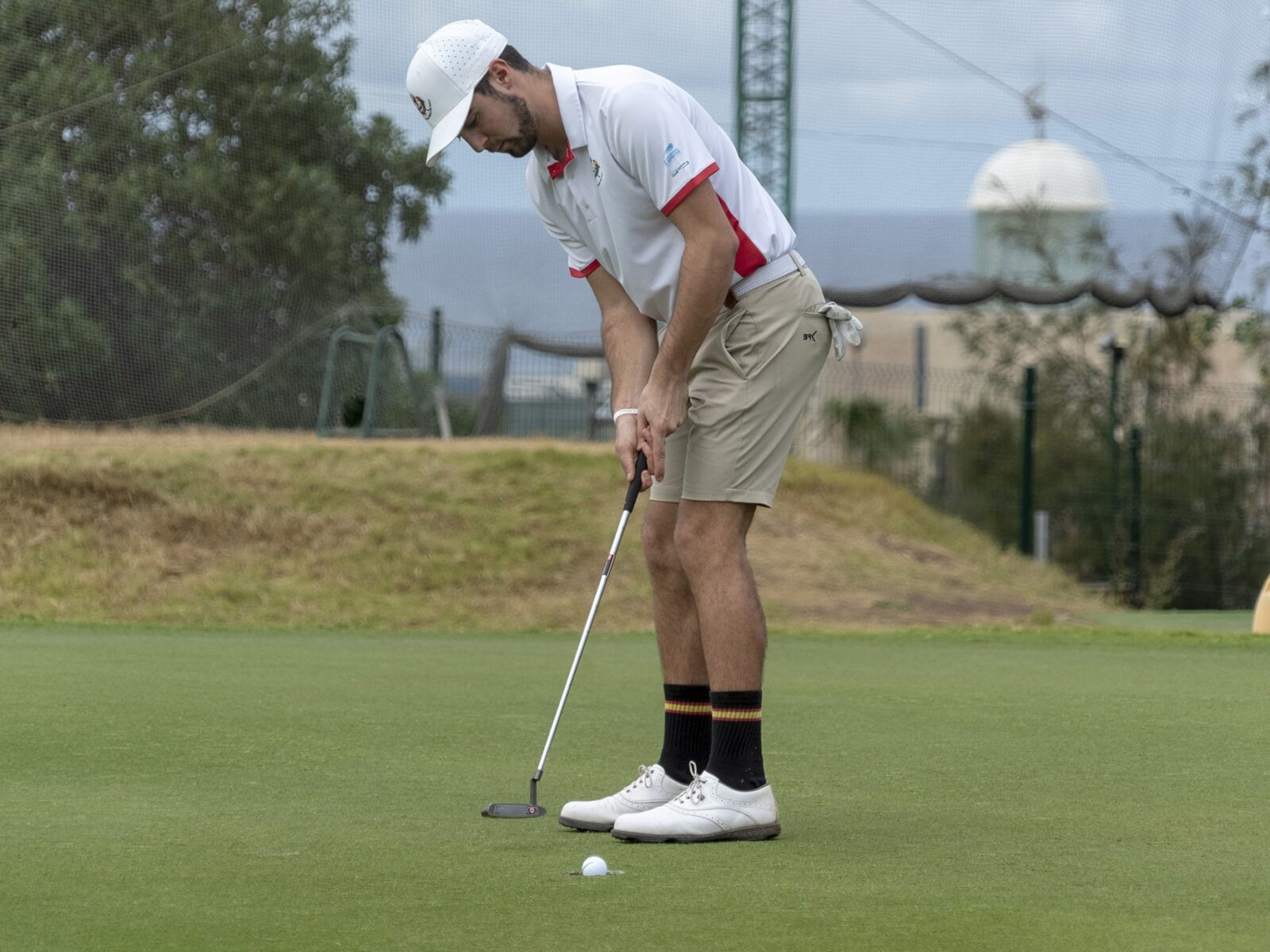

It's lockdown time. We have to make do with putting on a carpet or, at best, hitting balls toward a net where we can barely make out their trajectory. There are no scores, neither good nor bad, no handicap increases or decreases.
This unpleasant, almost science-fiction-like situation makes it a good time to practice psychological skills like breathing and meditation, which we've neglected due to the urgency of finding that feeling or trick that will help us in the weekend game. Let's see how breathing can help you improve your performance.
Benefits and advantages
It's obvious to everyone that the primary benefit of breathing is controlling the nerves of competition, making them work in our favor. When we reach the "optimal level of nerves," the mind-body connection is 100% ready to perform.
However, if our nervousness level exceeds the optimal level, it will work against us. This is where breathing comes into play, helping us lower our nervousness and bring it down to an optimal level.
Typical situations where nerves tend to appear are on the first tee, in the first holes or in the last holes, when we have a good result, that is, in moments of pressure, which are what make the difference between good players and champions.
Breathing will also be very useful for regaining mental and physical calm when we lose it after a mistake and are overcome by anger and frustration.
Diaphragmatic vs. pectoral breathing
When we feel pressure, our bodies demand more oxygen, but often what we do to get more air is take short, shallow breaths using only the upper part of our lungs, raising our shoulders as high as we can. This type of breathing is called chest breathing, but it's not the best way to breathe to achieve our goal of relaxing or calming down.
Diaphragmatic breathing involves breathing with the lower part of the lungs, which, as they fill, push the diaphragm downwards, causing the abdomen to expand. This type of breathing facilitates relaxation and oxygenation of the body, including both muscles and neurons.
These latter ones are responsible for providing us with the essential mental clarity under pressure to see the blows, the falls and make good decisions.
4-step learning and training
Learning to breathe with your diaphragm is very simple. You just have to follow these 4 steps, and you will need to dedicate 5-10 minutes daily for a couple of weeks. You can find these steps in many YouTube tutorials dedicated to learning diaphragmatic breathing.
Step 1
Lie on your back on a mat or rug. Bend your knees and separate your feet about 20 centimeters. Place one hand on your abdomen and the other on your chest.
Step 2
In this position, focus all your attention on your breathing. Breathe slowly through your nose and notice which hand is moving. If it's the hand on your chest, you're breathing chest-first and not using your abdominal area to breathe.
Step 3
Lying on your back facilitates diaphragmatic breathing. Simply inhale through your nose, eliminating the reflex to raise your shoulders as you breathe. Try to direct all the air to the lower part of your lungs, without forcing your breath. Breathe slowly and notice how the hand placed on your abdomen rises with each inhalation. Do not force your breathing or try to take in more air than usual. The goal is not to breathe more air, but to breathe better.
Step 4
Slowly exhale through your mouth and you will notice the hand on your abdomen descending. Your chest area will be relaxed and will barely move during either inhalation or exhalation. You will feel your shoulders and neck relax as you exhale through your mouth.
Practice these four steps for 5-10 minutes a day for 4-5 days, and you'll find it relatively easy to breathe with your diaphragm. Now is the time to practice standing and walking, as you'll be doing so when you need to use it in the field.
Incorporate breathing into your pre-shot, post-shot, and between-shot routine. Use breathing as another tool at your disposal that will surely help you face the decisive and important moments of competition.
By Óscar del Río
RFEG Sports Psychologist
Related articles below, in the Related News section.