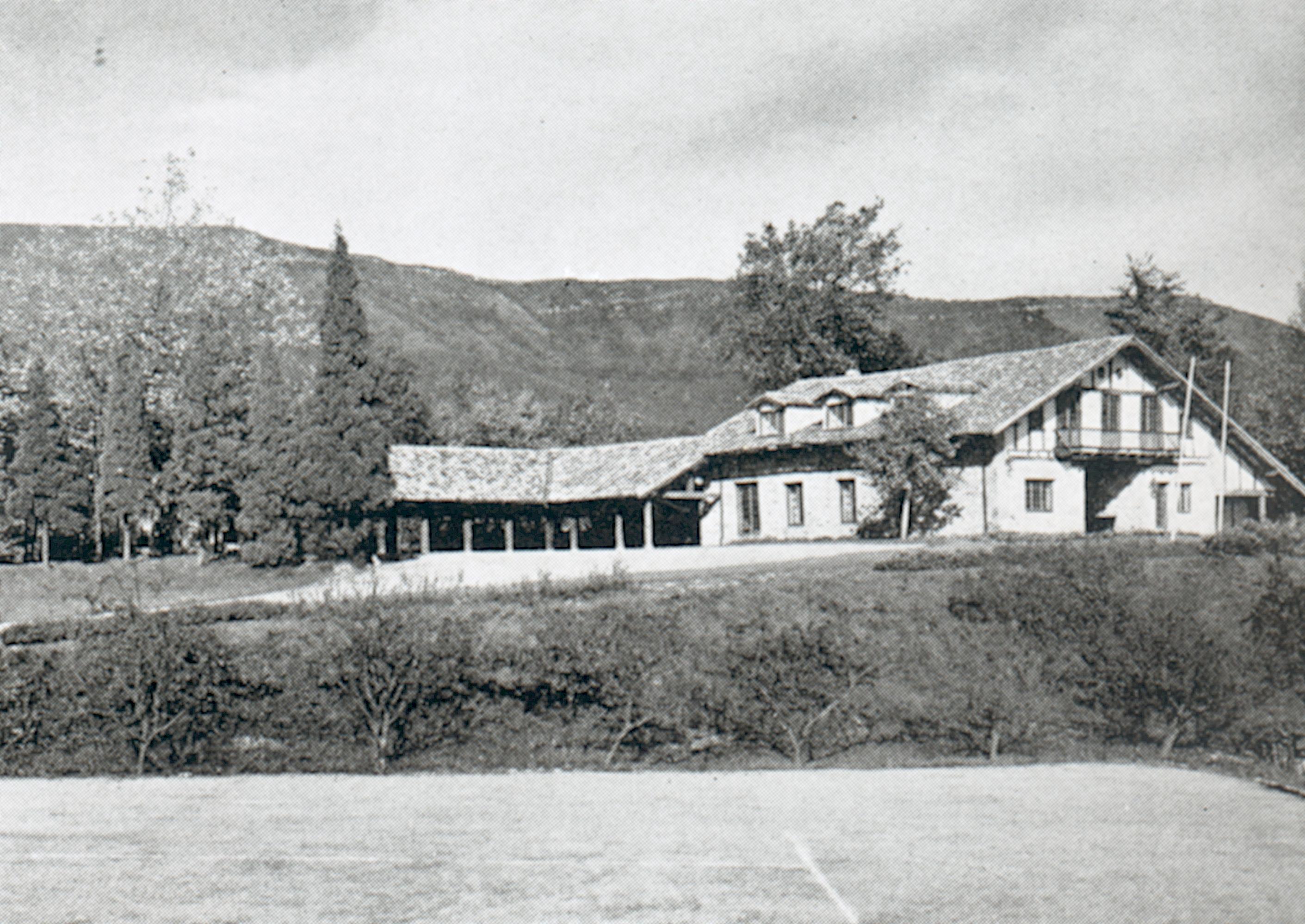
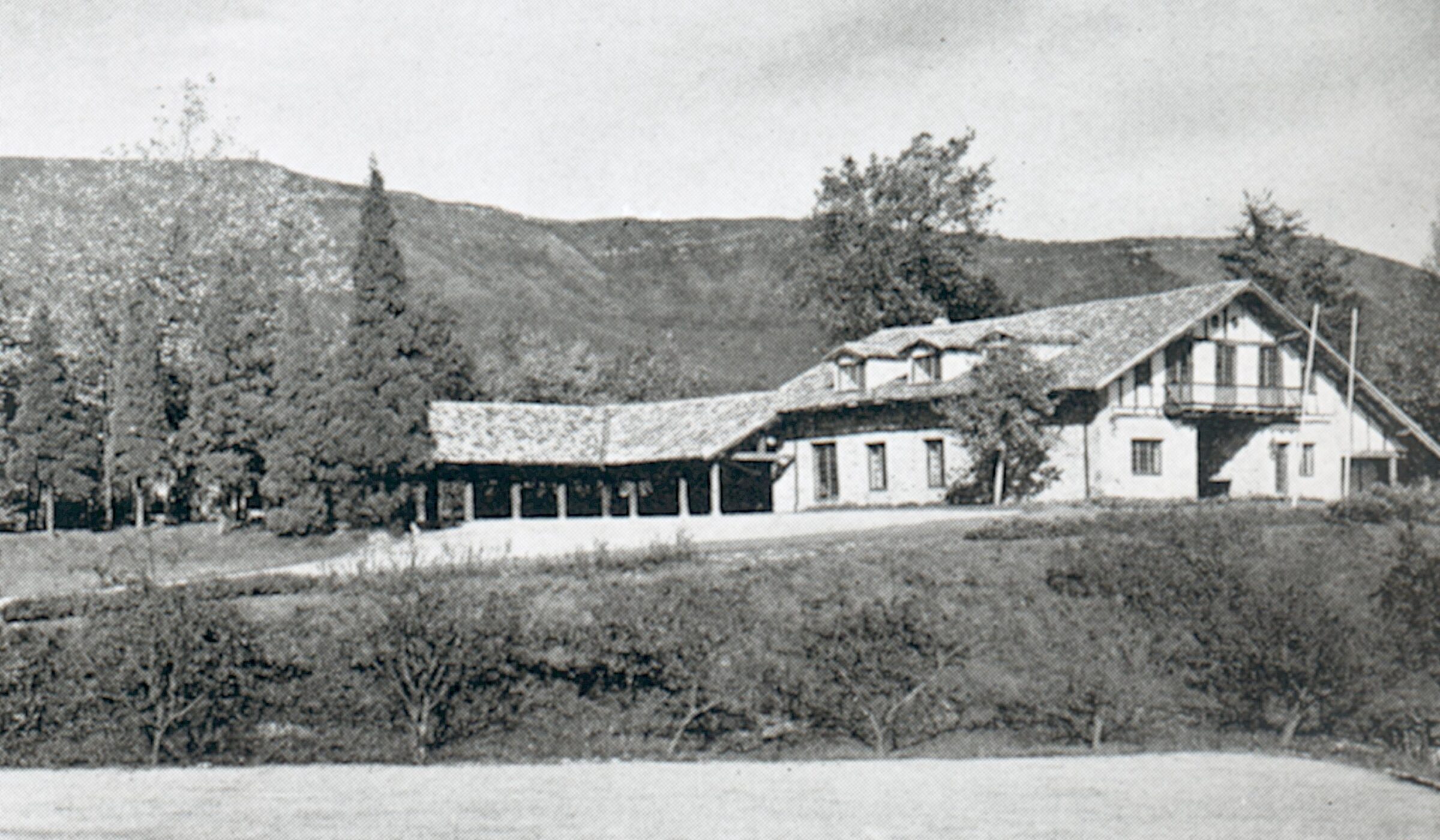
An emerging organization reflected in the constitution of the Federation of Golf Clubs of Spain – the embryo of the Spanish Golf Federation –, six increasingly established amateur competitions – the Spanish International Amateur Championship, the Puerta de Hierro National Cup, the Spanish Amateur Men's and Women's Championships and the Spanish Junior Men's and Women's Championships – and thirteen facilities of proven quality – the oldest golf club in Las Palmas, Puerta de Hierro, the oldest on the Peninsula, gradually joined over the years by San Sebastián, Neguri, Zarauz, San Cugat, Terramar, Club de Campo de Málaga, Pedreña, Cerdaña, Tenerife, Pineda and, in 1945, Llavaneras – which encouraged the practice of a sport that, at that time, had markedly elitist characteristics…
This summarizes the Spanish golf scene in the final stretch of the forties, already facing the beginning of the 50s, objectively more flourishing in all aspects.
The consolidation of the Spanish Open
At that point, another competition, this one of a professional nature, was gaining ground. This was the Spanish International Open Championship, whose first edition took place in 1912. Arnaud Massy, who won again in 1927 and 1928, had the honor of being the first to have his name inscribed on the illustrious list of winners of a tournament that encountered serious obstacles, especially of an economic nature, before reaching the 1940s. These difficulties were reflected in the absence of the competition on thirteen different occasions, sometimes in consecutive years, sometimes alternately, despite the express support of the Real Club de Puerta de Hierro, which hosted the tournament in 25 of the first 31 editions.
These were years, in any case, when Arnaud Massy and Ángel de la Torre dominated the titles, especially the latter, who topped the rankings six times (1916, 1917, 1919, 1923, 1925, and 1935), making him the player with the most titles in the history of the Spanish Open. Joaquín Bernardino, Gabriel González, and Mariano Provencio occasionally filled the list of winners before Marcelino Morcillo made his mark, particularly between 1946 and 1949, winning four consecutive titles—more than anyone else in history, although, to be fair, the 1947 victory went to an amateur player, specifically Mario González.
Not surprisingly, in order to increase the number of entrants and give the tournament greater consistency, the participation of certain amateur players was allowed, which led to the brilliance of the Marquis of Sobroso, Luis Ignacio Arana, the aforementioned Mario González, and Herni de Lamaze, who, like the former, had the luxury of beating all the professionals present in the 1955 edition… all of them precursors of players of the quality of Iván Maura, another amateur who rubbed shoulders with those first truly top-level professionals (Marcelino Morcillo, Carlos Celles, etc.) who monopolized elite Spanish golf before the incomparable Sebastián and Ángel Miguel, two brothers to remember who will have their deserved place in these pages in the near future.
In any case, those were the years between 1945 and 1955, in which the few professionals of the time at least had the opportunity to demonstrate their golfing skills and compete with the foreigners who registered, either because they resided in Spain, or because they came expressly from beyond our borders for this specific purpose.
Drive and enthusiasm of young talents
From 1956 onwards, when the Spanish Open was held at the El Prat facilities, which had been inaugurated just two years earlier, the event fortunately took on a different character, mainly due to the drive and enthusiasm of the new young promises of Spanish golf, which facilitated the increasing practice of our sport in Spain and a significant increase in foreign attention, which directly resulted in the incipient 'boom' related to the construction of golf courses.
However, it would still take a few years to reach this stage of truly palpable growth for Spanish golf. This is demonstrated by the data on the number of licenses, cold data but concise indicators of the growth of our sport.
It wasn't until 1946 that golf licenses in Spain began to be registered and tallied by the Spanish Golf Federation. By 1950, the total stood at 417, a number undoubtedly small, but one that didn't include players without a handicap certificate. "There are many more amateur golfers in our country, without being registered with the federation, than those with a playing handicap," a newspaper of the time grandly declared, praising the sport's growth.
Later regulations stipulated that a federation license was required to play golf, in order to cover potential contingencies in case of accident. This resulted in a slow but steady increase in the number of licenses. To best illustrate this, consider the following figures: 1958: 1,165 licenses; 1964: 2,195 licenses; 1967: 3,000 licenses—a round number that, in certain months, still represents the monthly increase. How times have changed, for the better!