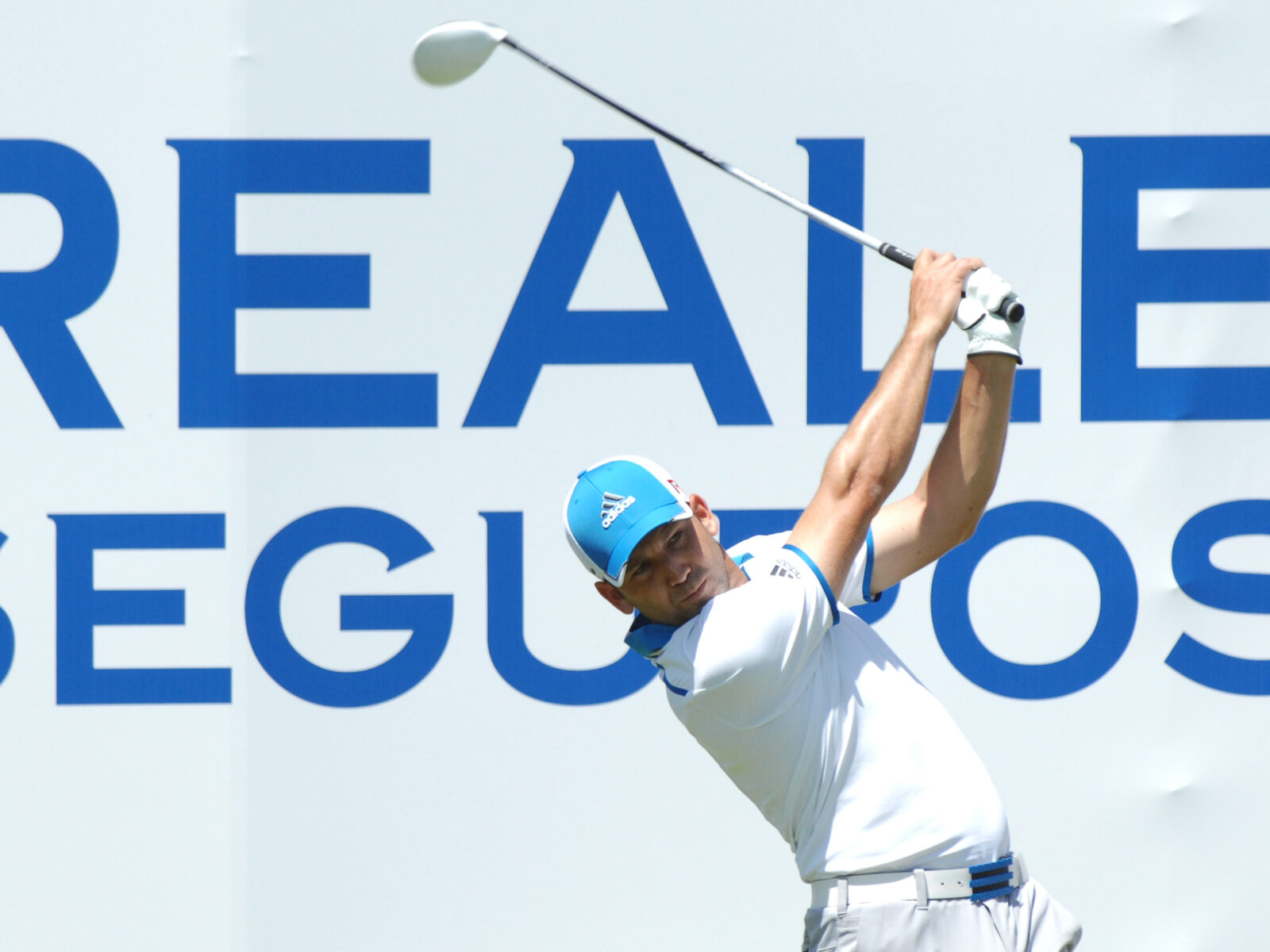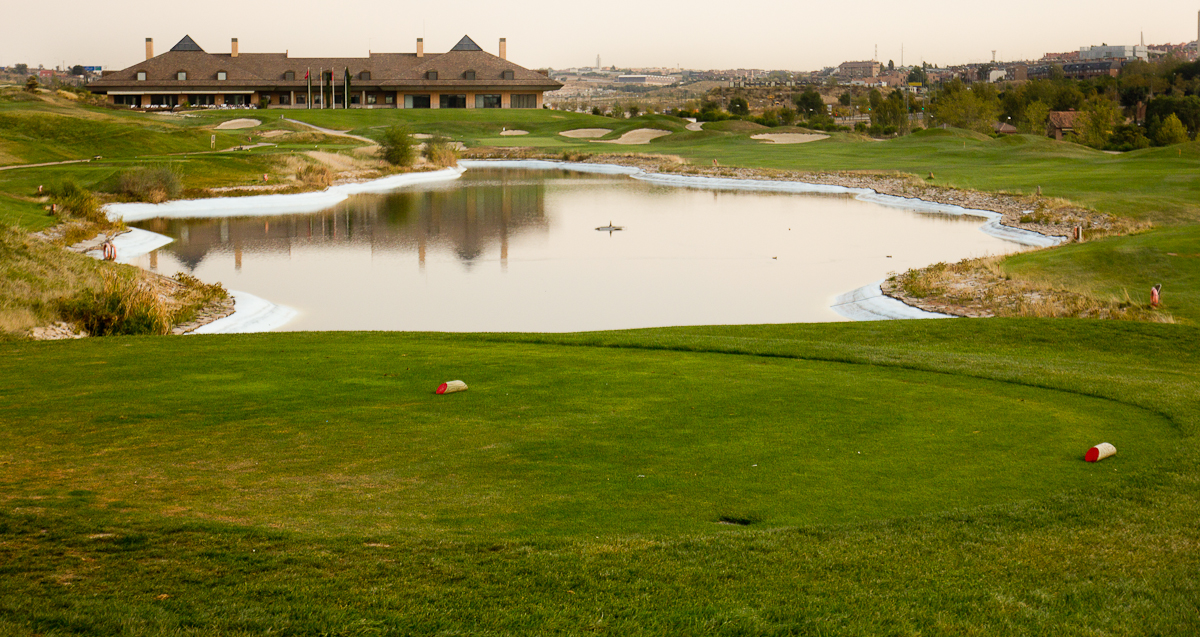
The Real Club Valderrama Open de España-Fundación Sergio García will celebrate its 90th edition from April 14th to 17th. The origin of this tournament, one of the oldest held in Europe, is linked to the emergence of the first Spanish professionals from among the ranks of caddies, and its history is a complete overview of the development of golf in Spain during the last century.
The first edition of the tournament was played in 1912, 21 years after the founding of Spain's first golf club, the Real Club de Golf de Las Palmas (1891). At that time, only five other clubs besides the one in the Canary Islands had appeared: the North Lode Golf Club (Riotinto, Huelva), the RCG de la Puerta de Hierro, the RGC de San Sebastián, the Club de Golf de Pedralbes, and RSG Neguri.
The Madrid club, then called the Madrid Polo Golf Club, organized the tournament, which was held at Cuarenta Fanegas, the first 18-hole course designed in Spain. According to the club's centenary book, the origins of the Spanish Open were closely linked to the French professional golfer, Claude Gassiat.
The club hired his services due to the burgeoning development of golf in those early years of the 20th century. Gassiat had begun his golf career as a caddie, and upon arriving in Madrid, he organized and launched the training of caddies at the club, which resulted in the emergence of the first professionals: Ángel de la Torre - who turned professional at 14 - Emilio Cayarga "El Hojalata", Saturnino Lascós, and Joaquín Bernardino.
The development of this first group of professionals led to the establishment of the Spanish Open, following in the footsteps of other national open tournaments such as those in France (1906), Belgium (1910), and the Netherlands (1912). The tournament was played over 72 holes in two days, and Frenchman Arnaud Massy, winner of the 1907 British Open, emerged victorious.
The Madrid club, by then known as the RCG de la Puerta de Hierro, hosted every edition of the tournament between 1912 and 1941, although its early years were somewhat intermittent. The second edition wasn't held until 1916, which saw Ángel de la Torre's first victory. The Cordoban, a pioneer and forerunner of Spanish professionals, was the dominant figure in the tournament's early decades, winning in 1916, 1917, 1919, 1923, and 1925. His five titles remain the record for victories in the history of the Real Club Valderrama Open de España-Fundación Sergio García.
In 1942, the tournament left Madrid for the first time to be held in Sant Cugat. In the 1940s, the RG Pedreña and the RSG Neguri alternated as venues along with the RCG Puerta de Hierro, and on the sporting field there was one name that stood out, that of Mariano Provencio, who won four titles in three decades: 1934, 1941, 1943 and 1951.
The Miguel brothers left their mark on the tournament during the 1950s and 60s. Sebastián won in 1954, 1960, and 1967, while Ángel took the title in 1955, 1961, and 1964. The first official data on golf licenses in Spain dates from the late 1960s and reflects the limited but promising development of the sport at that time. In 1968, there were 3,094 amateur players and 109 professionals. The decade ended with a total of 36 registered clubs.
In 1972, the Spanish Open was included for the first time in the official European Tour calendar with a prize purse of €14,084. Antonio Garrido won this edition, which marked the beginning of a new era for the tournament, establishing it as one of the major professional events in Europe. From 1973 to 1977, it was held consecutively at La Manga Club, and its winners included Arnold Palmer (1975).
In the 1980s, the Real Club Valderrama Open de España-Fundación Sergio García boasted the achievements of two of the greatest figures in Spanish golf. Severiano Ballesteros won the 1981 edition at RCG El Prat and the 1985 edition at Vallromanes. Ten years later, in 1995, he would achieve victory at Club de Campo Villa de Madrid, the last individual title of his career. José Mari Olazábal was the highest-placed amateur in 1983 and 1984. Also noteworthy in this decade were the victories of Bernhard Langer at Campo de Golf Parador de El Saler in 1984 and Nick Faldo at RC Las Brisas in 1987.
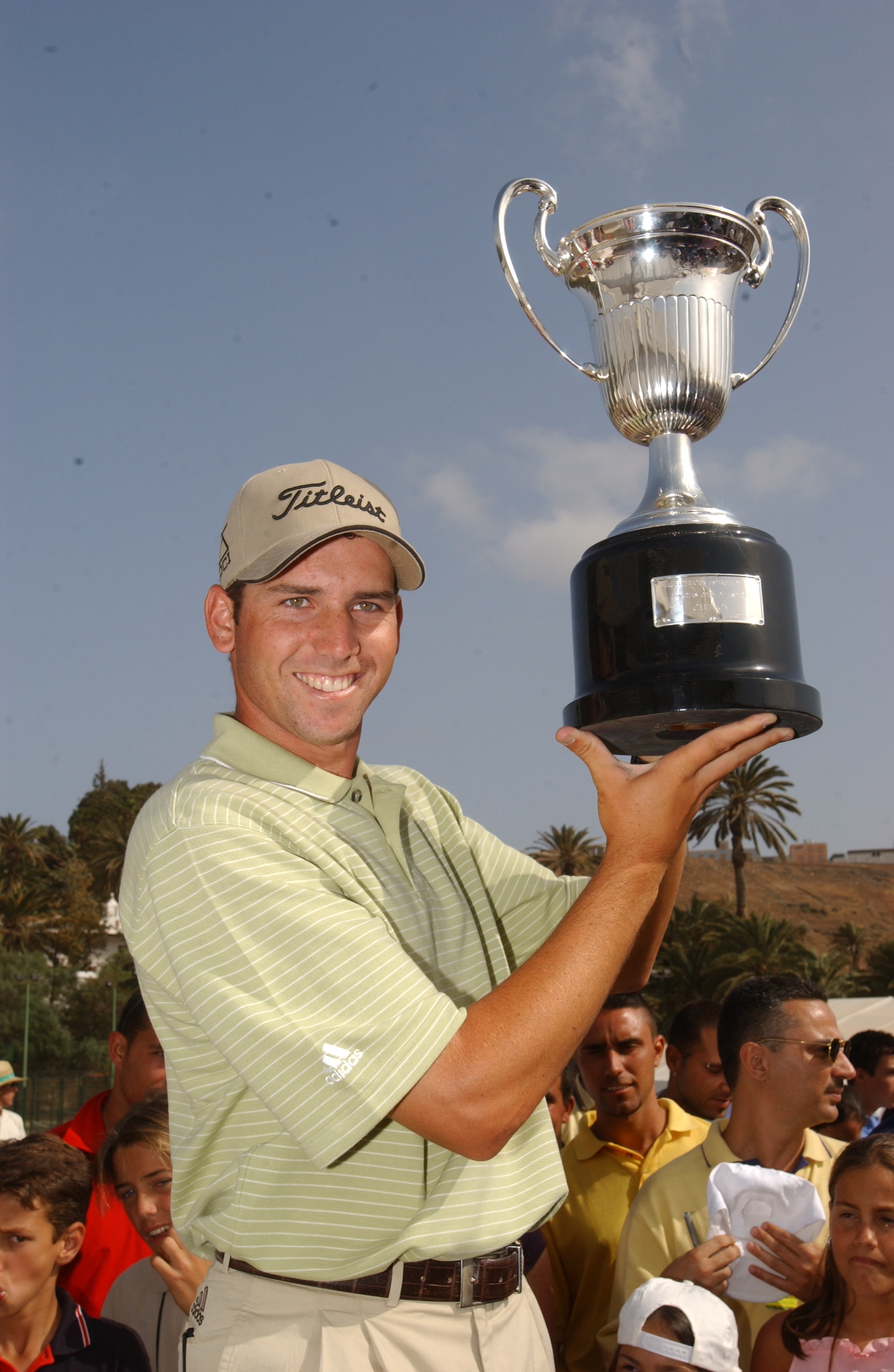
Sergio García burst onto the scene at the Spanish Open in the 1990s, becoming the top amateur in 1996, 1997, and 1998, foreshadowing what would soon become an extraordinary professional career. The Castellón native, who is hosting this year's Real Club Valderrama Spanish Open, won the tournament in 2002 at El Cortijo. It was in the 1990s and the first decade of the 2000s that Spanish golf experienced its greatest growth. In 1989, there were 46,178 registered amateur and professional players; in 1999, 137,752; and in 2010, a record 336,989.
Two moments stand out in particular among the latest editions of the tournament: Álvaro Quirós's victory at the RCG de Sevilla (2010) and Miguel Ángel Jiménez's victory, at age 50, at the PGA Catalunya Resort in 2012.
The arrival of the veteran tournament at Real Club Valderrama, considered one of the best courses in the world, will also mark a new milestone in its century-long history.
Tickets to attend the tournament are available in this link.

 (32)-1600x1200.jpg)