
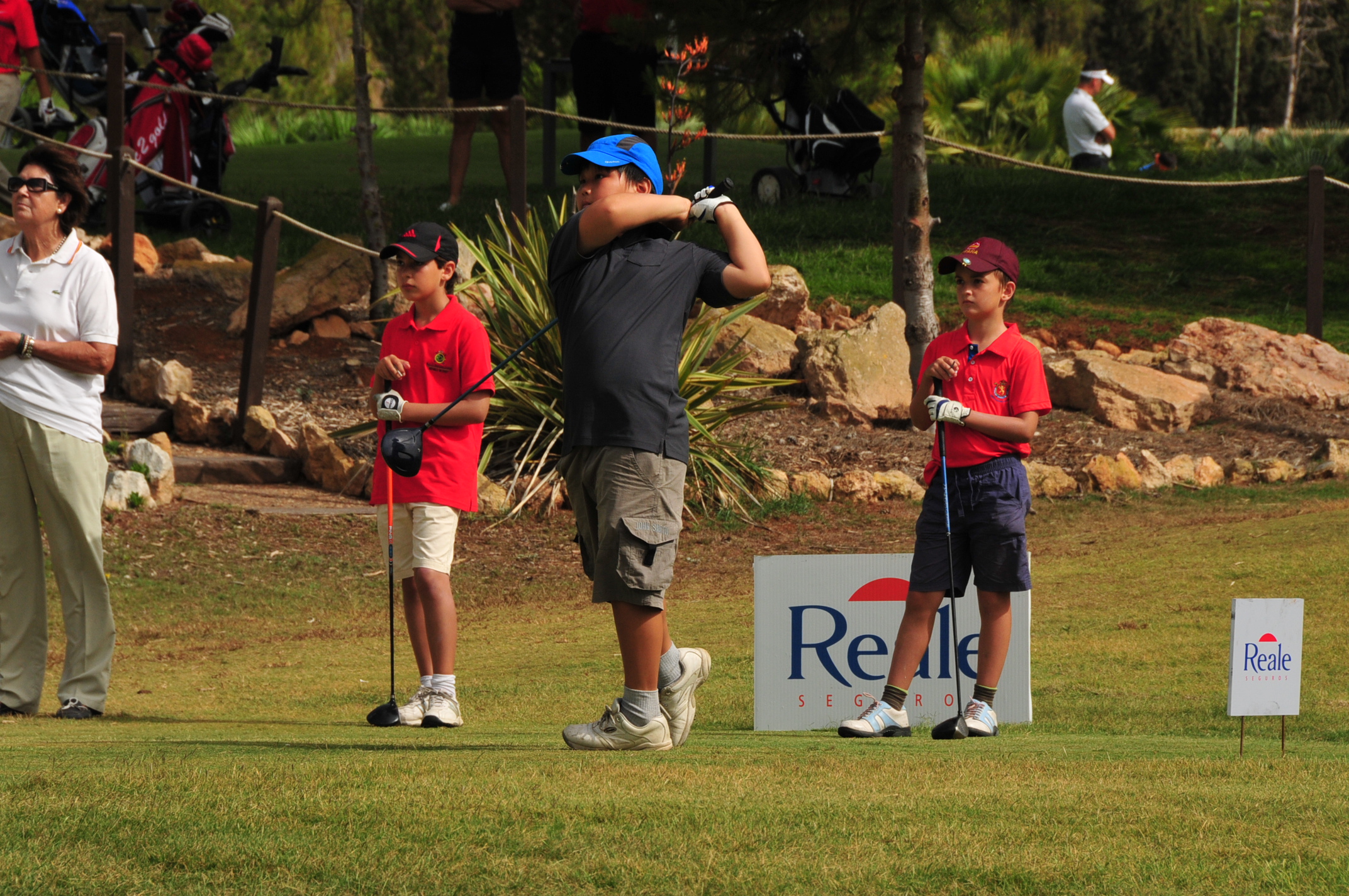
The influence we parents have on the development of our children's character and mental strength is enormous. What can we do to help our children become mentally strong and develop a winning mindset through golf?.
I propose 10 rules you can put into practice with your child. I'm almost certain that some parents will think, after reading these 10 rules, that following these guidelines won't make their child mentally stronger or help them achieve better results. There's a fairly ingrained belief among many parents that for children to become stronger and develop a winning mentality, you have to be tough, pressure them, subject them to extreme situations, and even use punishment as a training tool—for example, punishing them with extra training at the end of a race. However, the worst punishment you can inflict on a child is to deprive them of affection when the results aren't what the parents want or think they should achieve. To those of you who think this way, I'm sorry to say that this approach to developing a winning mentality is completely wrong.
The 10 rules I propose are logical and known to everyone, but that doesn't mean they are easy to follow, and I assure you that in this way you will be developing your children's mental strength.
In upcoming articles, you'll find detailed information on how to implement some of these guidelines. Following these rules will not only help him improve his mental strength but will also ensure that both he and you can enjoy the sporting experience and the competition.
1. Teach your child that doing their best is more important than winning, and that winning is the consequence of giving their best.
2. Don't give them any special prize for winning (the competition itself already does that). Do it to reward their effort, their work, their fair play, their improvements, and personal achievements.
3. Don't ridicule, yell at, or get angry with your child when they make a mistake or perform poorly in a competition. Instead, provide constructive feedback that motivates them, encourages them to keep trying, and helps them learn from their mistakes.
4. Use appropriate language, both verbal and physical, with other players, coaches, referees, etc. Control your emotions in good times and bad.
5. Help your child understand and accept bad gaming days.
6. Make your child feel like a winner at every moment by praising them for competing fairly and giving their best.
7. Don't create unrealistic expectations. Help your child set goals, but make sure they focus on personal improvement and are aligned with their current abilities, rather than solely on results-oriented objectives.
8. Remember that children and young players are not miniature professionals and cannot be treated or judged as if they were.
9. Don't lose sight of the fact that golf is a game and help your child do the same.
10. Remember that your child plays golf for their own enjoyment and fun, not for yours. Encourage them to play, but don't pressure them to play or to achieve good results.