
. The golf course sector defends its contribution as an economic engine and wealth generator for Andalusia during the presentation of the CESUR report: “Diagnosis of water needs in Andalusia”
Golf wants to shed its image as the "ugly duckling" of the Andalusian economy and highlight its contribution to the region's economic and tourism development. This was the message conveyed by Carlos Pitarch, president of the Commercial Committee of the Andalusian Federation of Golf Courses, during a roundtable discussion with representatives from other sectors that rely on water resources.
The statements were made during the presentation of the report “Diagnosis on the water needs in Andalusia”, which has been prepared by the Confederation of Businessmen of Southern Spain (CESUR).
To defend his thesis, Carlos Pitarch has used numerous data that support both the economic role of golf and its almost zero carbon footprint and minimal consumption of conventional water.
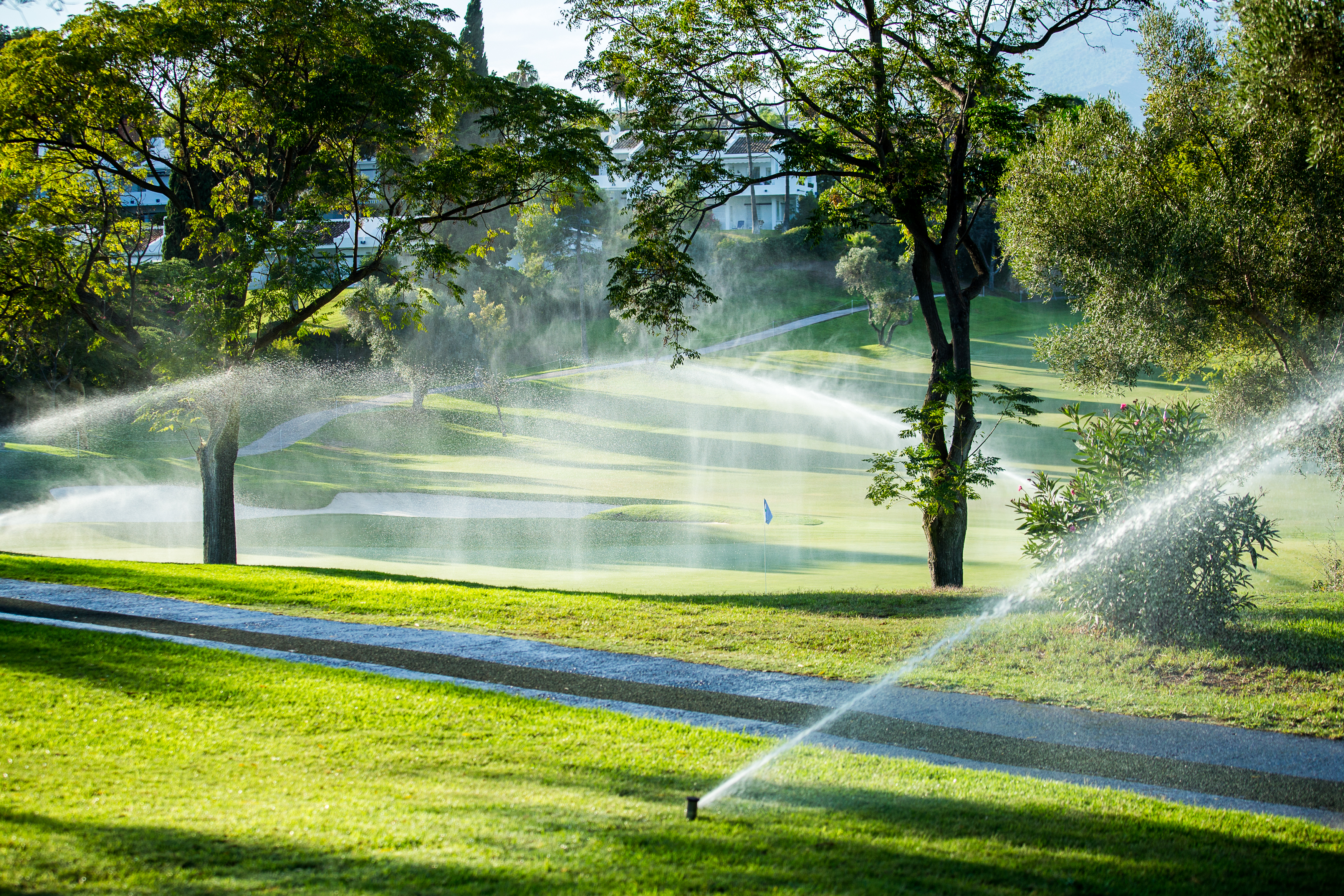
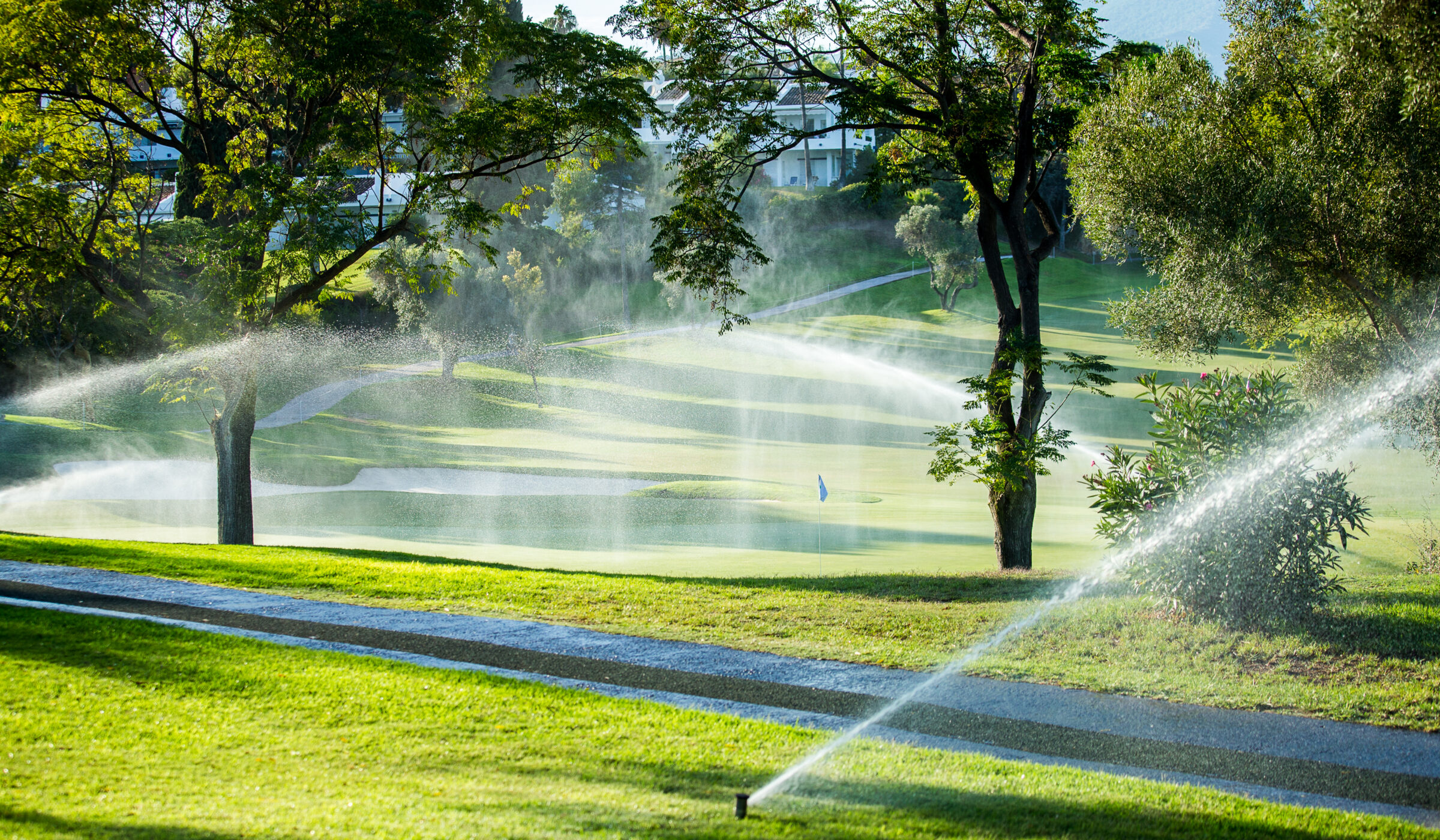
Specifically, the executive pointed out that, compared to the more than one million hectares of irrigated agricultural land in Andalusia, golf courses only irrigate 3,500 hectares, of which 751% are irrigated with recycled water, while the rest of the area where it is not used is due to the fact that these courses do not have access to it.
In this regard, he congratulated the Administration for its contribution to the channeling of quality recycled water for the irrigation of golf courses and called for continued investment to further increase the efficiency and sustainability of the sector.
“All golf courses with access to recycled water use it, so the overall sustainability of the sector depends on continuing with these pipelines. However, golf courses are SMEs, which don't have the capacity to carry out these investments on their own. When the Public Administration has made them in the past, it has helped generate an industry that today employs tens of thousands of Andalusians, and that industry, in recent years, has returned that investment to Andalusian society and the public coffers a hundredfold,” stated Carlos Pitarch.
The representative of the Andalusian Federation of Golf Courses has highlighted that the Golf Tourism Industry goes beyond the simple activity of golf courses, since, although the 100 golf courses in Andalusia make around 200 million euros a year, they produce a total direct income of 2.2 billion, which benefits a multitude of companies and workers related to accommodation, catering, leisure, commerce, transport, etc.
Therefore, it is estimated that the overall impact on the Andalusian economy – adding the indirect impact to the direct income – is equivalent to 31% of the region's gross domestic product.
“The data shows that the golf course sector in Andalusia comprises around one hundred SMEs, not always profitable, which have generated an economic ecosystem far exceeding the revenue of these one hundred facilities, and which benefits a very large part of Andalusian society. And they achieve all this with minimal water consumption overall. When we talk about the fate of our water, there is no industry that generates more employment, more income, and more widely distributed benefits than golf,” said Carlos Pitarch.
“Our goal is also to become zero-consumption of conventional water, but to achieve this we need access to reclaimed water for all our facilities. There is no more sustainable activity than transforming surplus waste into an asset through water regeneration, and therefore a raw material for the tourism industry. Golf is achieving this in our region,” concluded Carlos Pitarch.
Andalusia is the Spanish community with the highest number of golf courses, which, according to a recent study carried out by IE for the Spanish Association of Golf Courses and the Royal Spanish Golf Federation, account for 27.91% of the national total (216.79 million euros) and generate more than 52,000 annual jobs after adding those produced directly by golf courses (4,452) and those corresponding to golf tourism, which represent a total of 47,646 direct, indirect and induced jobs.
Given its importance as an economic engine for the region, since water consumption by golf courses translates into greater wealth and employment for the economy as a whole, the speaker argued for a reduction in taxation to allow the sector to remain profitable in these times of great economic hardship, in which Andalusian golf is seriously affected by the absence of tourists arriving in the region.
“We need to put water where it generates the most jobs,” stated Pitarch, who also criticized the practice of increasing taxes to balance public accounts during times of crisis, at the expense of the private sector. This, he argued, makes it even harder for private businesses to recover, when it should be the other way around. “The goal should be to aid economic recovery. There’s a lot of talk about public aid to businesses in general, but there’s no greater help than reducing the tax burden by applying the reduced VAT rate (10%) to the golf tourism industry, offering property tax breaks for years with no income, and allowing for greater economic growth, which will lead to more revenue for the public sector in the future.”.
To recap, Carlos Pitarch has presented the main demands of the golf sector in Andalusia as greater investments in infrastructure, access to good quality recycled water at a good price, and that golf begins to be considered for what it is: an industry that attracts more than six hundred thousand tourists to Andalusia each year, an economic engine generating quality employment, and the most profitable crop in the entire region.