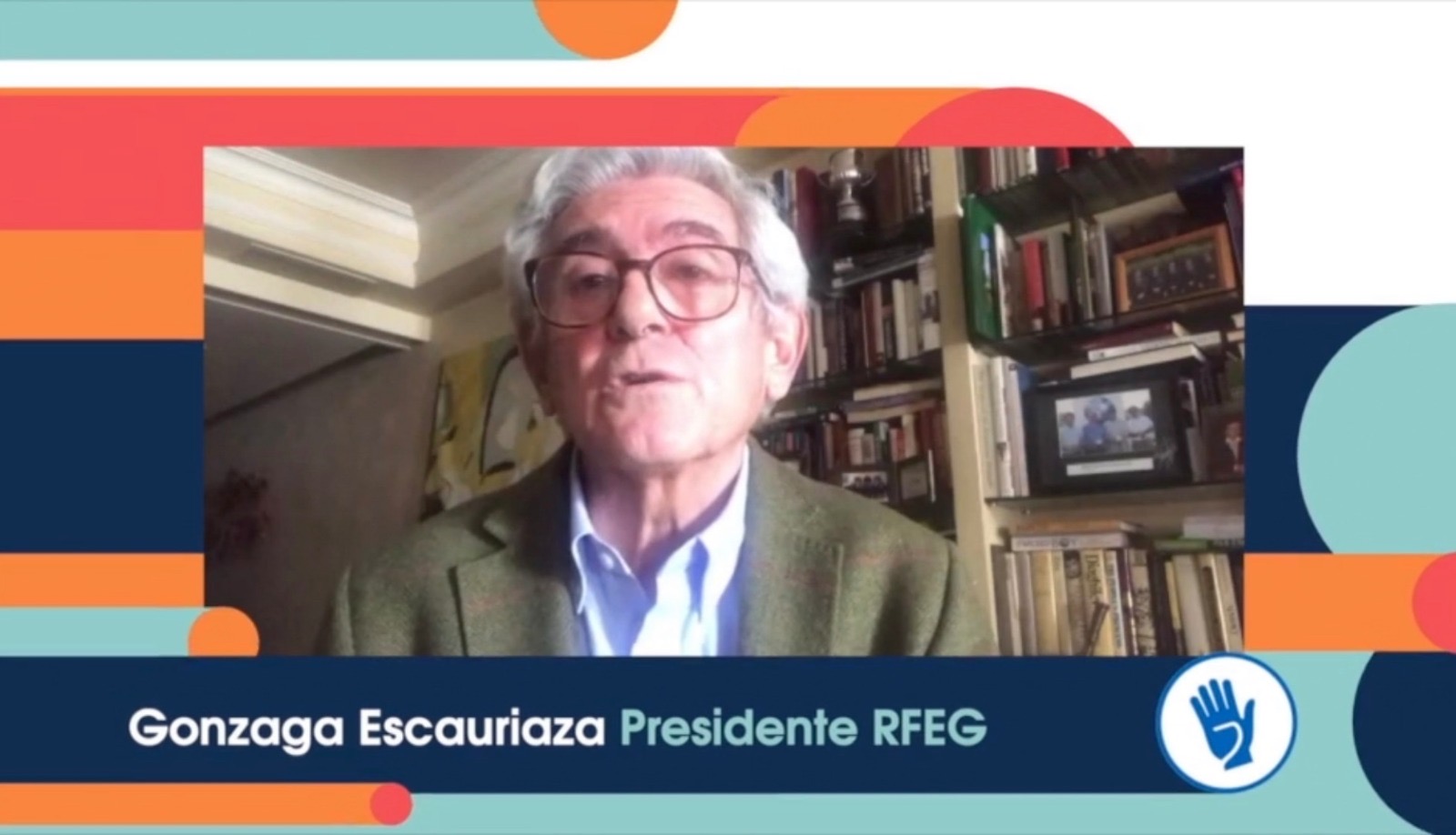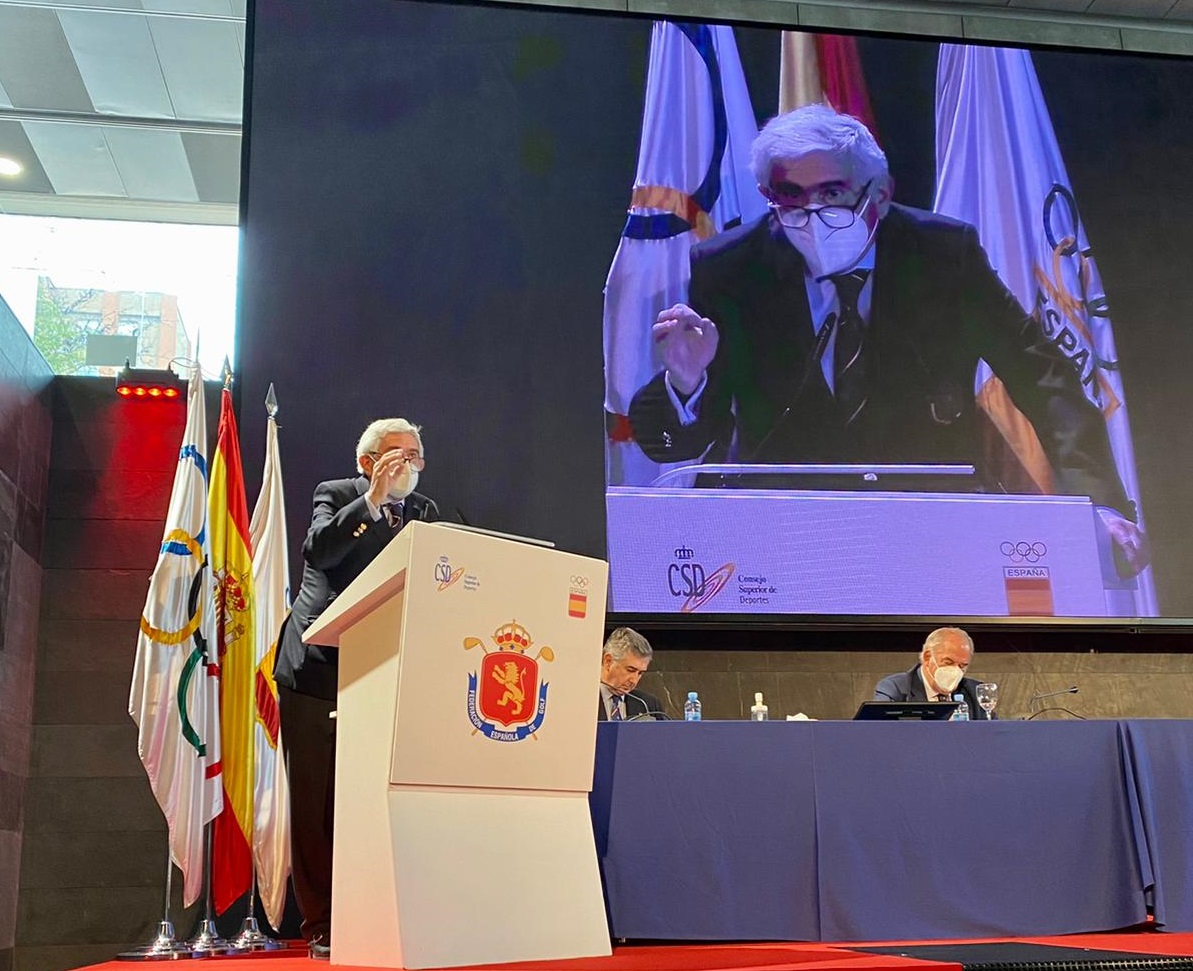
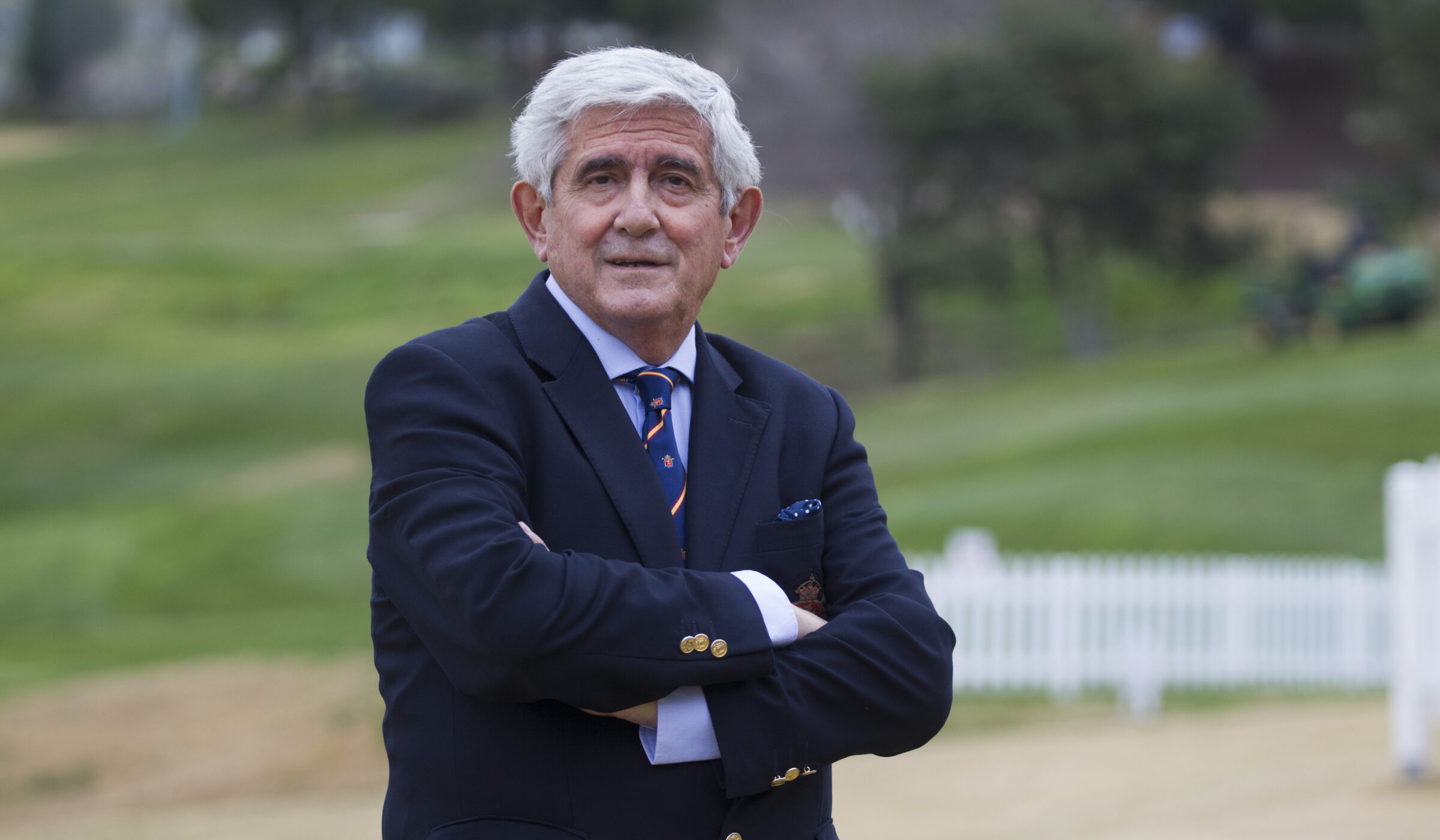
In a 2020 best forgotten in almost every respect, Spanish golf has a small glimmer of hope to cling to: 318 more licenses, a modest growth of 0.1%, which the Federation's president, Gonzaga Escauriaza, views with optimism. "When this is over, there will be a boom in Spanish golf," he asserts in an interview with the EFE news agency.
Although it's a small figure within the 271,788 registered golf players in Spain, its significance lies in the contrast: between 2010 and 2018, the number of registered players steadily declined, and since the peak of 338,588 at the end of the first decade of the 21st century, it had been a continuous loss. Against all odds, they have grown in the year of COVID-19.
«"We've managed a very slight increase, but the success lies in the fact that it's positive. We have a sport that holds up well against the pandemic; it's outdoors, with social distancing. And we were the first to develop a protocol, a very serious one, with all the institutions, speaking with one voice," the president of the Royal Spanish Golf Federation points out in an interview with EFE, in which he assures that he knows that this year many players have picked up their golf bags again.
According to Escauriaza, the reasons for the reversal of the trend in the last two years—at a rate of about 300 licenses each year—are due to the reaction after the impact of the 2008 financial crisis, which greatly affected golf, and to the fact that the sport has been able to update itself to appeal to the urban player.
«"The fact that there are now more golf courses near cities, small facilities with short holes or 9 holes, has managed to alleviate a bit of the drawback of golf, which is time; it is a sport that requires time if you play 18 holes," explains Escauriaza.
The Federation is also working in this field, with technologies such as 'Top Tracer' that allows simulating different courses around the world from the practice range of the National Center in Madrid, or with initiatives such as the 'Gourmet Golf Experience' dinners that combine this technology with a gastronomic proposal, in groups of six or fewer people to comply with health regulations.
«"We Spaniards have to act like tourists and be supportive."»
The reality for Spanish golf clubs in 2020 presents a stark contrast. While courses catering to local players are "saturated" according to Escauriaza, as "everyone" wants to be active abroad, those geared towards foreign golfers visiting Spain are suffering from border closures.
«"For these golf courses linked to tourism, it has been a horrible year, which is why I encourage local fans to act like tourists and show solidarity," says the Federation president, who nevertheless assures that the real estate supply near golf courses has worked "better than we thought" because some foreign fans have decided to buy residences in Spain to avoid lockdowns.
Even so, many of these courses geared towards foreign golfers have had to survive by using measures such as temporary layoff schemes (ERTEs) or ICO loans, with which they are "trying to hold on" in search of a better future.
«"When travel is possible again, I think there will be a golf boom in Spain. We have to hold on, let's hope that in April and May we can have bookings, and that the infection rates improve in England and Germany, which are very important countries for Spanish tourism and particularly for golf tourism," he points out.
Rahm's positive influence and the Solheim Cup horizon
At a competitive level, Spanish golf is living and breathing the rhythm of Jon Rahm. The player from Barrika (Vizcaya), ranked number 2 in the world, has been the talk of the town at the start of the year with his switch to Californian Calloway clubs. "It's been the biggest news story of the start of the year, and it was Jon Rahm who made it happen, which benefits us enormously. In Spain, we've always had someone at the top of the world rankings, and Jon's emergence is the most dazzling since Tiger Woods and Rory McIlroy," he says.
Looking further ahead, in 2023, there is the Solheim Cup, which will come to Spain for the first time at the Finca Cortesín course (Málaga), where they hope that Spanish women's golf will get a boost, especially in the junior category, to find the talents who can take over in the future from the likes of Carlota Ciganda or Azahara Muñoz.
Escauriaza sees this competition as an opportunity for Spanish golf courses and destinations to be marketed abroad, especially to the American public and its tour operators.
«"This will allow Americans to put us on the map, and not just on the course, but with the overall experience, with ceremonies in Marbella and other locations. Often these competitions are held in places far from cities; we have to take advantage of Marbella or Benahavís to make it a unique Solheim, to demonstrate that it's a destination that goes beyond just the course," he says.
The president of Spanish golf often says that his sport has three truths and three lies. "The truths are that it's incredibly healthy, that it creates solid jobs, and that it's economically vital for the country," he asserts, noting that it generates €12.769 billion annually, according to a study by IE University and the AECG golf course association, of which seven out of eight go to other sectors, such as accommodation and restaurants.
And what are the lies? "That it's an elitist and expensive sport; that we consume a lot of water, but the 65% is recycled; and that it's bad for the environment, when the National Center is built on a landfill," he replies. "But it takes many years to change that," notes the optimistic representative of Spanish golf, which timidly weathered the pandemic year.
SOURCE: Miguel Ángel Moreno / EFE News Agency

-1600x1200.jpg)